Burnout doesn’t happen overnight – It’s a slow drain of energy
Why companies need to shift from firefighting to prevention in addressing workplace burnout

Why companies need to shift from firefighting to prevention in addressing workplace burnout
In recent years, burnout has surged to the top of workplace wellbeing concerns across Europe. According to a 2023 Eurofound survey, nearly 50% of European employees report experiencing work-related stress regularly, and over 25% have symptoms consistent with burnout. In countries like Belgium, the Netherlands, and Germany, long-term absenteeism due to psychological reasons has reached historic highs.
The implications for businesses are profound. Burnout isn’t merely a personal health issue; it’s a strategic threat. Teams struggling with low energy, mental fatigue, and emotional exhaustion underperform. Innovation slows. Absenteeism rises. And when talent leaves due to burnout, the cost of turnover and re-onboarding mounts. In short, burnout silently drains organisational energy and resilience.
Yet despite the alarm bells, many organisations remain stuck in a reactive cycle, responding only once burnout statistics become impossible to ignore. But by then, it’s often too late.

Contrary to popular belief, burnout rarely erupts suddenly. It creeps in slowly, often undetected. What starts as occasional fatigue evolves into chronic exhaustion, disengagement, and ultimately, collapse.
This slow progression is supported by psychological models such as Maslach and Leiter’s Burnout Inventory, which identifies three key dimensions:
Too many companies treat burnout as a crisis to be solved once it’s in full bloom. But by then, individuals are already on leave, teams are overburdened, and morale has cratered. The effects ripple outward:
In this environment, reboarding becomes a challenge, not a solution. Preventative culture isn’t just smart, it’s essential.
Addressing burnout isn’t just a task for HR or wellbeing officers. It requires leadership transformation. Leaders who role-model healthy habits, protect time for recovery, and prioritise energy management create ripple effects across teams.
Scientific models like Karasek’s Demand-Control-Support Model show that employees are less likely to burn out when they have high autonomy and strong support, even in high-demand roles. That environment starts with leadership.
Key behaviours include:
These behaviours must be systematic and authentic. Without visible leadership commitment, wellbeing initiatives risk being perceived as superficial.
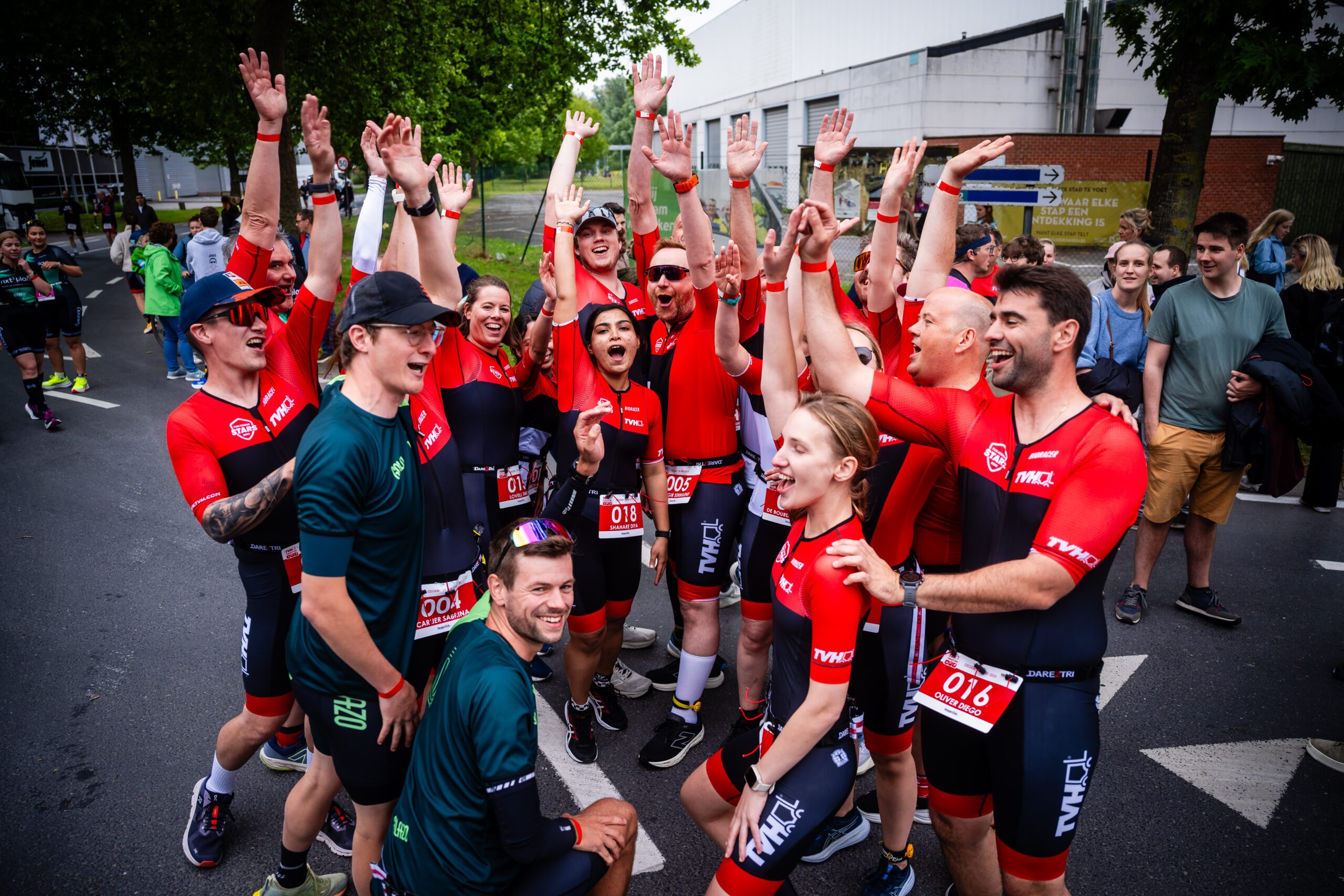
Many companies invest in wellbeing through isolated interventions; a yoga session here, a webinar there. But these approaches fail to address the root causes of burnout because they are not embedded into the organisational culture or aligned with business objectives.
At Golazo Energy, we advocate for a holistic and integrated wellbeing strategy, rooted in the same principles used to train elite athletes. The benefits are profound and measurable when wellbeing is treated as a strategic lever:
What do we mean by a holistic approach?
It encompasses multiple dimensions:
When these areas are addressed in an integrated fashion, the company benefits include:
This approach is not reactive but preventative. It doesn’t just fix problems, it builds capacity. Just like athletes train to perform under pressure, corporate teams can develop the stamina and agility to thrive.
The corporate world has long A new performance paradigm: energy-focused leadership
The corporate world has long equated performance with output. But in today’s fast-paced environment, energy is the real currency of performance.
When leaders focus solely on productivity without considering energy dynamics, they miss a vital piece of the performance equation. Sustained high performance requires a conscious investment in how individuals and teams manage, renew, and channel their energy.
In elite sports, athletes are coached not just to work hard, but to recover smart. In the corporate world, we must apply similar principles. Energy-focused leadership means recognising the patterns that allow humans to perform consistently under pressure through balance, detachment, and trust.
Let’s explore 3 foundational principles of this paradigm.
1. What is the effort-recovery balance?
In high-performance sport, pushing limits is followed by intentional recovery. This concept, known as supercompensation, means that true growth only happens during the recovery phase. The same applies to work. Without rest, there is no adaptation, only decline.
Companies can translate this by:
2. How do you value mental detachment?
Detachment is the ability to mentally disconnect from work outside of working hours. Research shows that individuals who successfully detach recover faster and perform better the next day.
Practical steps:
3. How can you create psychological safety?
Psychological safety means that employees feel safe to speak up, ask for help, or admit mistakes without fear of reprisal.
To foster this, leaders must:
This type of safety is the foundation of resilient, adaptive teams.
Burnout doesn’t happen overnight, but its effects can be devastating if ignored. Companies must stop waiting for burnout to strike before taking action.
Instead, invest early. Model good habits. Equip leaders. Build energy, not just output. Because prevention isn’t a luxury, it’s a strategic imperative.
Corporate wellbeing is no longer a nice-to-have. It’s a necessity to ensure that your organisation remains competitive, compassionate, and capable of navigating change.
Whether you’re just starting or ready to scale your wellbeing strategy, Golazo Energy can help you build high-energy, low-burnout teams.
Contact us for a free consultation