High-performance work cultures often focus on speed, efficiency, and relentless effort. Many believe working longer and harder leads to success. But research shows the opposite: recovery is the key to sustained high performance.
At Golazo Energy, we’ve seen how recovery can shift strain into strength. Enter supercompensation—a sports science gem that’s just as powerful in the workplace. It’s simple: stress followed by rest boosts capacity.. Get it right and supercompensation can boost the productivity, creativity, and resilience of your teams.
A study by the World Health Organisation found that overwork contributes to a 35% higher risk of stroke and a 17% increased risk of heart disease. Additionally, workplace stress costs the global economy billions each year in lost productivity. This article explores how recovery fuels success and how businesses can integrate it into their culture through structured strategies.
Understanding Supercompensation
Supercompensation is a cycle: stress, recovery, adaptation, and increased capacity. In sports, muscles grow stronger after rest following intense training. The same applies to work—short bursts of stress improve performance, but only if followed by proper recovery.
Without recovery, stress accumulates, leading to burnout and reduced efficiency. Businesses that harness this cycle can create work environments where employees consistently perform at their best.
Studies show that knowledge workers experience mental fatigue similar to athletes experiencing physical exhaustion. For instance, deep problem-solving tasks require a lot of brain capacity, and without recovery, performance declines over time. Supercompensation enables employees to return to tasks with heightened efficiency, improving decision-making and innovation.
The Science of recovery and performance
Cognitive performance, like physical performance, requires downtime. Studies show rest improves memory, decision-making, and problem-solving. Sleep, short breaks, and time away from work strengthen brain function and creativity.
A 2019 study from Harvard Business Review found that employees who take short breaks every 90 minutes are 34% more productive than those who work continuously. Another study from Stanford University revealed that performance drops significantly after 50 hours of work per week, showing that overwork damages long-term efficiency.

Wat is supercompensatie?
Supercompensatie is een cyclus: inspanningen, herstel, aanpassing, betere prestaties. In de sport groeit een spier na een training pas tijdens de rustperiode. Op de werkvloer is dat ook zo: korte periodes van stress kunnen positief werken, maar alleen als er voldoende herstel tegenover staat.
Zonder herstel stapelen spanningen zich op, wat leidt tot vermoeidheid, verminderde efficiëntie en uiteindelijk burn-out. Organisaties die vasthouden aan de supercompensatiecyclus zullen een duurzame high-performance werkcultuur opbouwen.
Uit onderzoek blijkt dat kenniswerkers net zoveel mentale vermoeidheid ervaren als atleten fysieke. Denk aan complexe problemen oplossen, creatieve brainstorms of intensief plannen – allemaal taken die mentale energie vragen. Herstelmomenten zorgen ervoor dat werknemers daarna terug aan de slag kunnen met meer scherpte, betere beslissingen en vernieuwende ideeën.
Work, Recover, Succeed: The Supercompensation Approach to Business Performance
Many workplaces equate long hours with commitment. Hustle culture, presenteeism, and unrealistic deadlines push employees beyond their limits. The result? More mistakes, declining morale, and reduced long-term output.
A real-world example is Maersk, one of the world’s largest shipping companies, recognised that long working hours and fatigue were causing errors, reduced productivity, and safety risks for both seafarers and shore-based employees.
In the global shipping industry, operational efficiency is critical, but the wellbeing of employees is just as important.
To address this, Maersk implemented structured recovery strategies:
- Fatigue Risk Management Systems (FRMS): Maersk developed policies to limit excessive working hours, ensuring that crew members and employees get sufficient rest to maintain peak performance.
- Rotational Work Schedules: Employees, especially those in high-pressure roles, follow structured rotation plans that allow for extended recovery periods between assignments.
- Technology-Assisted Workload Distribution: By leveraging automation and AI-driven predictive logistics, Maersk reduced the strain on employees by balancing workloads more efficiently.
- Wellness and Mental Health Initiatives: Maersk introduced resilience training, access to psychological support, and structured wellness programs to help employees recover from work-related stress.
Errors dropped 20%, satisfaction rose 15%, and efficiency saved millions. Maersk proved recovery isn’t soft—it’s effective.*
Source: Maersk.com
Implementing Supercompensation in Work Culture
Businesses can adopt supercompensation strategies to enhance productivity and wellbeing. A few examples that are easy to implement:
- Work-rest cycles: Use the 90-minute work, 20-minute rest model based on ultradian rhythms. Ultradian rhythms are biological cycles that occur multiple times within a 24-hour period. In the context of work and productivity, they refer to the natural energy fluctuations that happen roughly every 90 to 120 minutes.
- Micro-breaks or Pomodoro Technique: the latter is a time management method that involves working in focused 25-minute intervals followed by short 5-minute breaks to maximise productivity and prevent burnout.
- Flexible schedules: Allow remote work and four-day workweeks to enhance recovery.
- Leading by example: Managers should model recovery-based work habits to create a healthy culture.
Companies like Microsoft and Basecamp have successfully integrated these strategies, showing that structured recovery leads to higher performance.
Additionally, Google provides employees with sleep pods and wellness programs to facilitate recovery, while Germany’s Volkswagen limits after-hours work communication to prevent burnout. Implementing these practices fosters a culture where employees perform at their best without sacrificing well-being.

The Future of Work: Sustainable High Performance
Technology, automation, and AI are changing work dynamics. As repetitive tasks become automated, human creativity and problem-solving will be more valuable than ever. To maximise these skills, companies must invest in recovery-focused work models.
The shift from “work harder” to “work smarter” is already underway. Organisations that support recovery will attract top talent and outperform those clinging to outdated hustle culture.
Recovery is not a weakness—it is a performance enhancer.
Supercompensation proves that stress alone does not drive success; structured recovery does. Companies that balance work and rest see increased productivity, innovation, and employee satisfaction.
It’s time to rethink how we work. By embracing recovery, businesses can unlock their teams’ full potential and build a high-performance culture that lasts.
Practical steps for companies include reassessing work hours, integrating wellness programs, and training managers to promote recovery strategies. For individuals, prioritising sleep, taking regular breaks, and setting boundaries on after-hours work can lead to sustained high performance.
By shifting the focus from effort alone to effort and recovery, the modern workplace can achieve unparalleled productivity and well-being.
Related inspiration
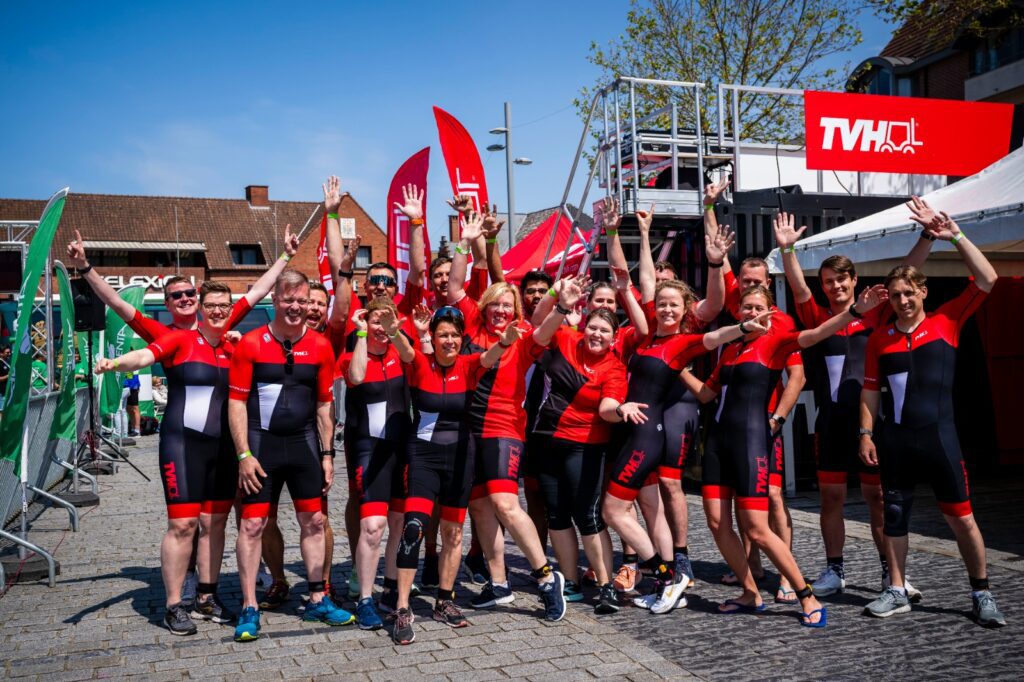
Linking wellbeing and environmental responsibility in corporate culture: The inspiring journey of TVH
In an ever-evolving and highly competitive context, productivity is key. TVH chooses to prioritise employee health and environmental responsibility as a surefire answer.
See More ›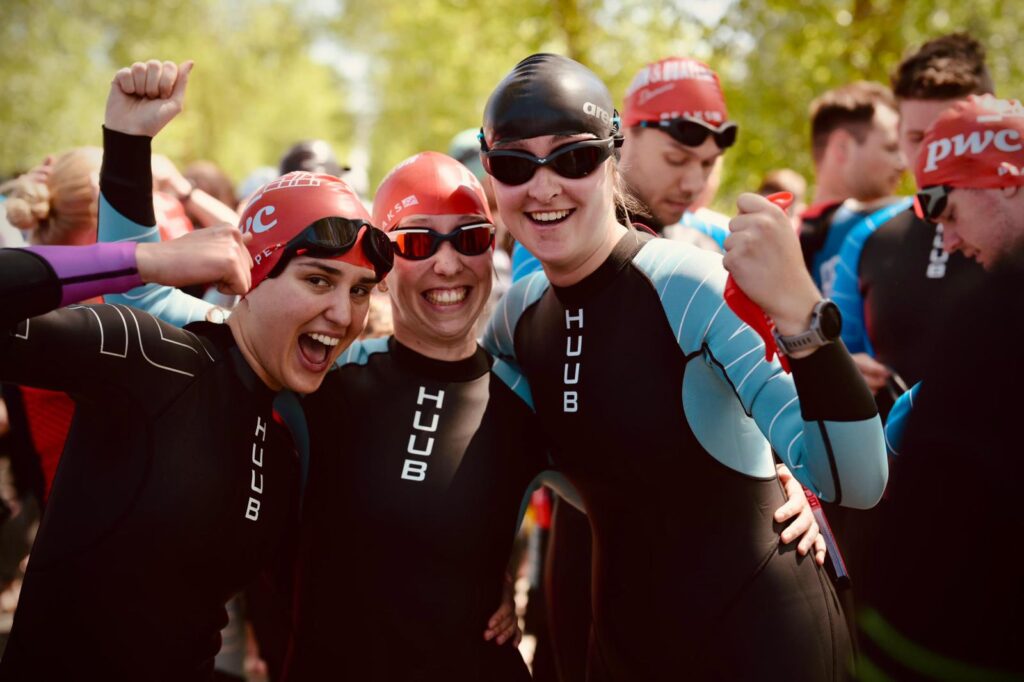
This is how you keep your team motivated
Discover how PwC combines wellbeing and productivity with the Fit For You platform. From challenges and activity tracking to inspiring content—everything in one digital hub. Together with Golazo Energy, they’ve built a strategy that truly makes an impact.
See More ›
What CEO’s can learn from top athletes to drive performance
Elite athletes don’t succeed by working harder—they master their energy across the board: physical, mental, emotional, and driven by purpose. While many leaders burn out, athletes thrive under pressure. What if you could apply their performance strategies to your leadership style?
See more ›
What does integrated company wellbeing look like?
Introducing a sustainable wellbeing initiative at your company is easier than it seems. By following three simple tips, you’ll be well on your way to success, with results that may surprise you.
See more ›