Opinion: Resilience is the new performance metric. Leadership sets the tone
By Aline Fobe, B2B Managing Director, Golazo Energy

By Aline Fobe, B2B Managing Director, Golazo Energy
If the past few years have taught us anything, it’s that the pace of change isn’t just accelerating, it’s relentless. From global health crises to economic uncertainty to AI reshaping entire industries, today’s workforce is operating under pressure like never before.
A recent McKinsey article on building a resilient, adaptable workforce highlights something we’ve seen for years at Golazo Energy and something I’ve experienced firsthand, both in business and on the hockey field: how companies, and more importantly, how leaders respond to this reality determines whether they move forward, stall, or fall behind.
Let’s start with the obvious. The human cost of constant change is real. Stress, burnout, and anxiety are not HR buzzwords. They are serious risks to the engine of your business, your people. If leaders aren’t demonstrating resilience, if they aren’t modelling calm, clarity and control, how can we expect teams to manage through uncertainty?

As a former Belgian Red Panther, I know what it feels like to perform under pressure. You don’t get to choose the conditions of the game, but you do choose how you respond. One of the first things I learned in elite sport was this: control the controllables. You can’t stop the rain during your game, but you can control how you prepare, how you hydrate, how you reset mentally. The same mindset works in business.
Too often, leaders waste valuable energy trying to manage what’s outside their influence: market fluctuations, policy changes, competitor moves. That energy is better spent managing how we respond to those things. Resilience starts with knowing where to focus.
It’s not about pretending the pressure isn’t there. It’s about building the capacity to adapt and stay focused when the pressure hits. That starts with leadership.
Let’s be clear. Wellbeing is not an optional perk anymore. It’s a business priority. A healthy, focused, emotionally strong team can innovate, pivot, and perform under pressure. A burnt-out team can’t.
At Golazo Energy, we’ve delivered wellbeing programmes in more than 100 organisations over the past 15 years. The biggest results don’t come from ticking boxes or adding yoga to the intranet. They come when leaders step up and lead by example.
The organisations where we see real impact, measured in focus, energy, resilience, and team cohesion, are those where leadership is fully involved. When managers participate, prioritise recovery, and model healthy habits, they send a strong message: wellbeing matters. That message is what makes it stick.
Just like elite athletes take their cues from their coach’s mindset, employees watch their leaders for cues on how to handle pressure and change.
Take our client PwC Belgium as a leading example. CEO Axel Smits didn’t just sign off on a wellbeing programme. He became the ambassador for it. Together, we built a holistic wellbeing strategy rooted in three core programmes: Energy@PwC, the Fit For You platform, and PwC Heroes.
From personal energy tracking with WHOOP and glucose sensors, to team-based virtual wellbeing challenges, to coaching 90 colleagues from zero to Olympic-distance triathlon finishers. This was not surface-level care. This was cultural change.
And it paid off. 950 participants across the organisation. The results speak for themselves: 74% of participants reported a lasting improvement in their overall wellbeing.
Even more impressively, over 80% felt a meaningful impact from our targeted Energy Journeys covering Exercise, Nutrition, Sleep, Stress, Focus, and Purpose. These programmes are not just helpful; they’re transformative. But more than numbers, it’s the way wellbeing is now embedded into how people work. Not as an afterthought, but as a prerequisite for performance.

As CEO Axel Smits puts it: “I believe very much in how the body and mind are interconnected to perform well and feel good during the day, even and especially during extremely challenging times.” That kind of mindset at the top gives permission for everyone else to follow suit. It’s how wellbeing becomes part of a company’s DNA.
McKinsey rightly points out the value of psychological safety. People adapt faster and better when they feel safe to ask questions, share ideas, and make mistakes. That level of safety doesn’t happen by accident. It’s built by leaders.
Organisations that are genuinely prepared for the future are not just rolling out resilience workshops. They’re investing in trust. They’re creating environments where people can recover, experiment, and come back stronger, just like athletes after a tough match.
Our job as leaders isn’t just to deliver results. It’s to create the conditions that make those results possible. That means managing our own energy, setting the tone, and embedding wellbeing into how we lead every day.
In sport, the teams that go the distance are the ones that train resilience as seriously as they train tactics or strength. That lesson stayed with me long after I stepped off the international hockey pitch. The business world should be no different. Resilience isn’t soft. It’s a core skill, and a clear signal of long-term performance.
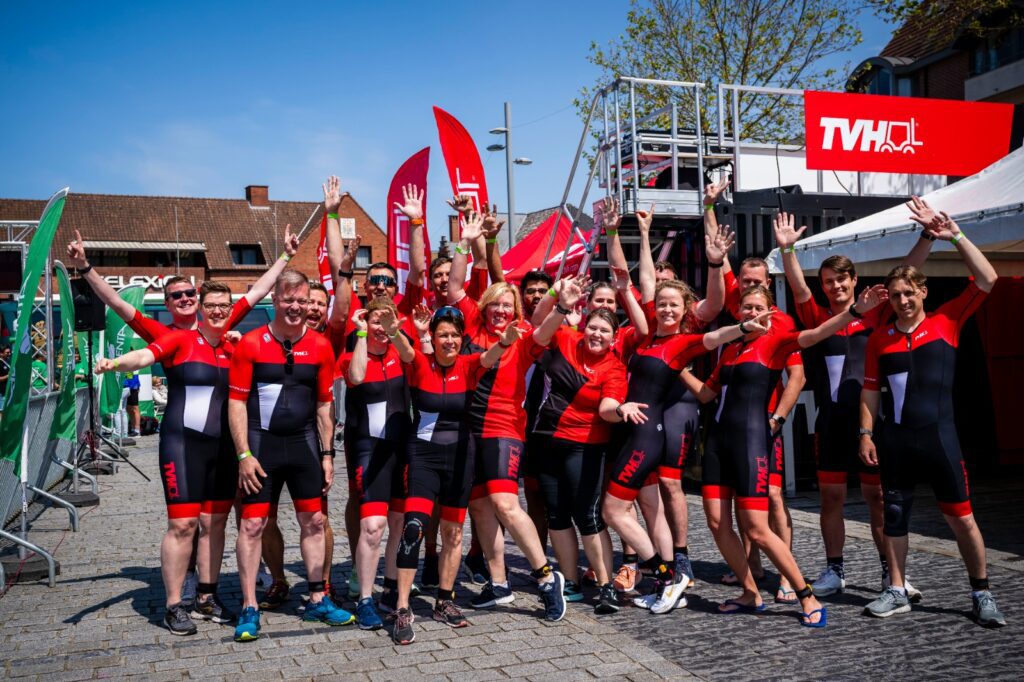
In an ever-evolving and highly competitive context, productivity is key. TVH chooses to prioritise employee health and environmental responsibility as a surefire answer.
See More ›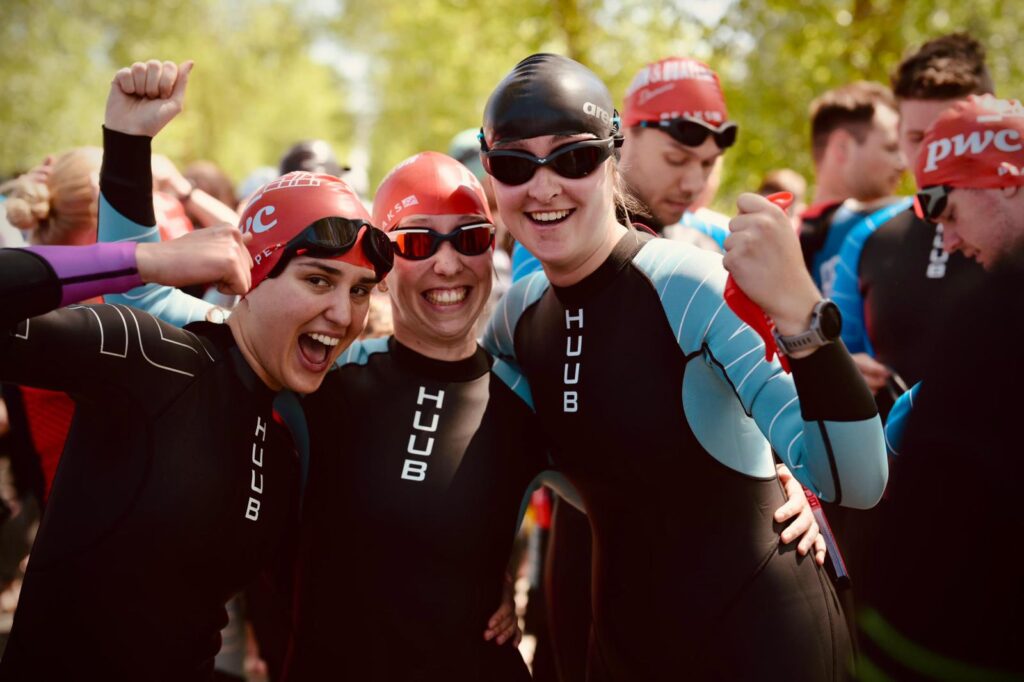
Discover how PwC combines wellbeing and productivity with the Fit For You platform. From challenges and activity tracking to inspiring content—everything in one digital hub. Together with Golazo Energy, they’ve built a strategy that truly makes an impact.
See More ›
Elite athletes don’t succeed by working harder—they master their energy across the board: physical, mental, emotional, and driven by purpose. While many leaders burn out, athletes thrive under pressure. What if you could apply their performance strategies to your leadership style?
See more ›
Introducing a sustainable wellbeing initiative at your company is easier than it seems. By following three simple tips, you’ll be well on your way to success, with results that may surprise you.
See more ›