The Baloise Antwerp 10 Miles is one of Belgium’s most iconic running events. Thousands of runners, a unique atmosphere and a course that cuts right through the heart of Antwerp make it a highlight year after year. But if you’re aiming to run your best race here, you’ll quickly realise: this is not just 16 kilometres you can complete on autopilot.
According to Golazo Energy coach Thijs Dekiere, the real challenge isn’t the distance. It’s the specific character of the course. The tunnels in particular require a smart approach, both physically and mentally.

A fast start… that can feel slower than it is
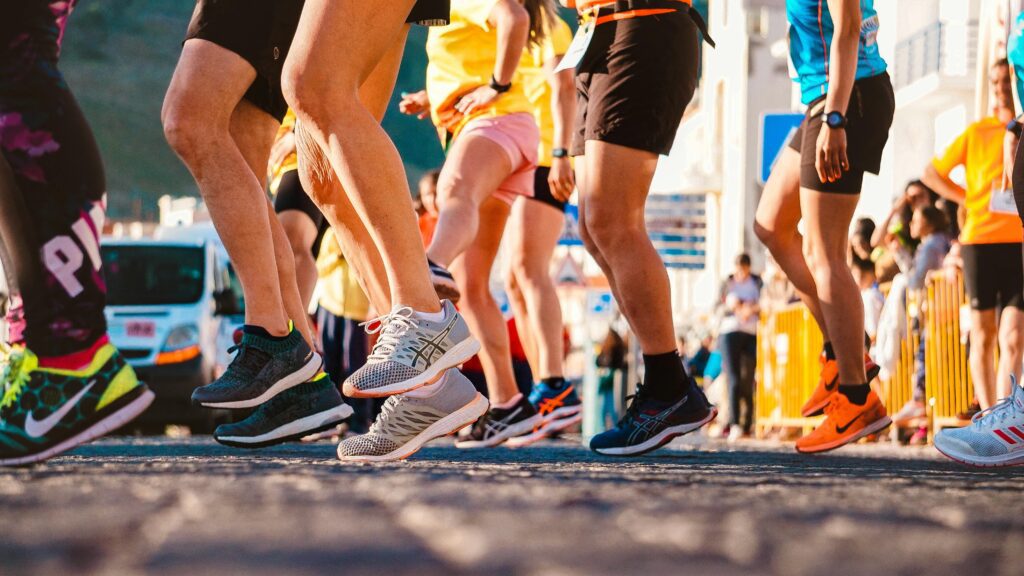
The 10 Miles starts in waves and large groups. That creates a particular dynamic in the opening kilometres: you’re surrounded by runners, the pace feels controlled, yet it can seem as though you’re moving too slowly.
That’s exactly where the danger lies. Many runners unconsciously accelerate to compensate for that feeling, even though their actual pace is perfectly on target. And that early effort often catches up with them later on.
One golden rule at the start: monitor your pace deliberately. Trust your watch or your perceived effort, not the crowd around you. If you lose energy here, it rarely comes back.

The Kennedy Tunnel: a defining moment
At a certain point on the course, you enter the Kennedy Tunnel. It’s not a short section, but a long stretch that continues to rise even when you’re back in the open air. The climb doesn’t stop where the tunnel ends, it carries on further than many runners expect.
For a lot of participants, this is where the body starts giving honest feedback about the chosen pace. If you’ve gone out too enthusiastically, this is often where you’ll feel it.
The smartest strategy here is controlled running. Allow your pace to ease slightly if necessary, focus on steady breathing and think in terms of the bigger picture. This section rewards restraint rather than aggression.
The Waasland Tunnel: a mental challenge
The Waasland Tunnel presents a different kind of test. For many runners, this section feels mentally demanding. Fatigue can begin to build and the climb adds another layer of difficulty.
The air inside the tunnel may feel heavy or enclosed. Limited airflow and the confined environment can create a sense of discomfort, even for well-trained runners.
If you let that surprise you, you risk losing rhythm. Anticipating this moment makes a difference. Accept that it may feel tough and resist the urge to force the pace. Holding back slightly through the tunnel can leave you in a far stronger position once you’re back into open space.

April weather in Antwerp
The Baloise Antwerp 10 Miles takes place on Sunday 26 April, and the likelihood of rainy weather is relatively low. That said, preparation remains essential, particularly if temperatures rise.
Combined with the tunnel sections and sustained effort, body temperature can increase more quickly than expected. Hydration should therefore be a deliberate part of your race strategy. Take your time at aid stations, even in race mode. Losing a few seconds there is far preferable to the impact dehydration can have later on.
Plan ahead. Check the forecast, adjust your equipment accordingly and drink proactively. Not only when you feel thirsty.

Understanding the course makes the difference
The Baloise Antwerp 10 Miles is a race with character. Runners who understand the course get far more out of it. By managing your pace early on, staying composed in the tunnels and paying attention to hydration, you significantly increase your chances of running a strong, controlled race through Antwerp.
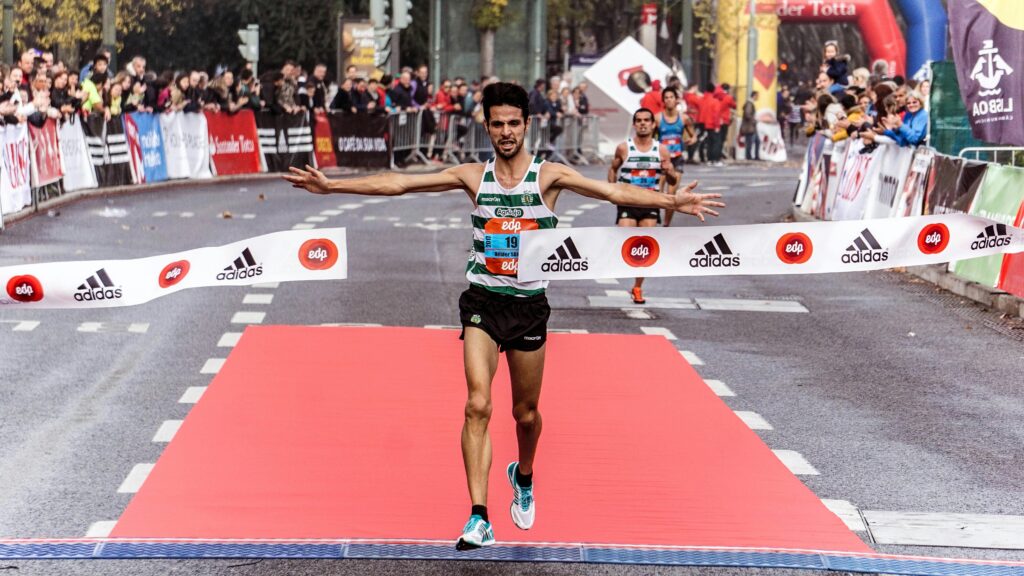
And perhaps most importantly: accept that it’s meant to feel challenging. That’s part of what defines this classic and what makes crossing the finish line on Linkeroever so rewarding.
Want to prepare properly for the Baloise Antwerp 10 Miles? We’ve got you covered!
With a running fitness test, we assess your current condition and map out your training zones. Based on your results, we create a personalised training plan to get you fully race-ready.
Book your running effort testRelated inspiration
How many years and quality of life can be gained by becoming physically fitter?
Discover how improving your physical fitness can add years to your life and enhance its quality. Studies show that regular exercise can significantly extend life expectancy and reduce the risk of diseases. Find out the benefits of becoming more physically active and how small changes can have a big impact on your health and longevity.