Healthy aging is a universal desire
Healthy aging is a universal desire, particularly in a society where population aging and life expectancy continue to rise. However, healthy aging is a complex concept that is not always straightforward and depends on various factors, including genetic predisposition to certain conditions, lifestyle, environment (such as air pollution), mental health, social network, …
Enter: the BIOKLOK study by GRAY (Ghent University Research for Aging Young) in collaboration with Energy Lab, NN, Novo Nordisk, and H42. In a nutshell, this pilot study aims to investigate whether a 6-month physical training program can add extra years to your life and essentially turn back your biological clock.
“NN, as an insurer, supports the BIOKLOK study, helping individuals strive for happiness throughout their lives. We encourage individuals to prepare themselves financially, mentally, and physically. Additional blissful years, free from financial worries and in good health, are valuable in the context of increasing life expectancy. This epigenetic study can contribute to healthy aging, benefiting both individuals and society.” – Annelore Van Herreweghe – NN
Chronological Age vs. Biological Age
Prof. Tim De Meyer, bioengineer: Scientists are searching for ways to accurately assess an individual’s “biological age.” Our chronological age is the number of years that have passed since birth. Our biological age reflects how well we age and is determined by our lifestyle, genes, and environment. Strictly speaking, your biological age predicts your remaining health span and lifespan. Until recently, there was no reliable method to measure overall biological age. Through various physical tests, blood markers, scans, and more, you can learn a lot about your health status and even the risk of developing (chronic) diseases. However, these methods provide limited information about the pace of aging, remaining health span and lifespan, and their relationship with mental well-being.
This is why there is currently a strong focus on research into epigenetic biological age (referred to as the epigenetic clock) and whether we can effectively reverse it. Professor Tim De Meyer explains further below.
Epigenetic Age as the Key Measurement of Biological Age?
Prof. Tim De Meyer, bioengineer: Epigenetic age is related to a layer above our DNA called epigenetics, which regulates DNA function. As we age, this epigenetic layer gradually becomes disrupted, and this can be measured as “epigenetic age.”
To emphasize its importance, epigenetic age has been proposed as a personalized and adjustable marker of age-related disease risk, essentially a new gold standard for biological age. Moreover, a recent study published in one of the most prestigious scientific journals revealed that the loss of epigenetic information is a primary cause of aging (Yang, Cell, 2023).
Nevertheless, the FDA (U.S. Food and Drug Administration) has specified several remaining major challenges (Drew, Nature 2022) that we aim to address in larger projects. While this pilot study will not provide all the answers, it will shed light on whether our epigenetic clock is sufficiently influenced by lifestyle changes.
What is the impact of a 6-month physical training program on the biological clock?
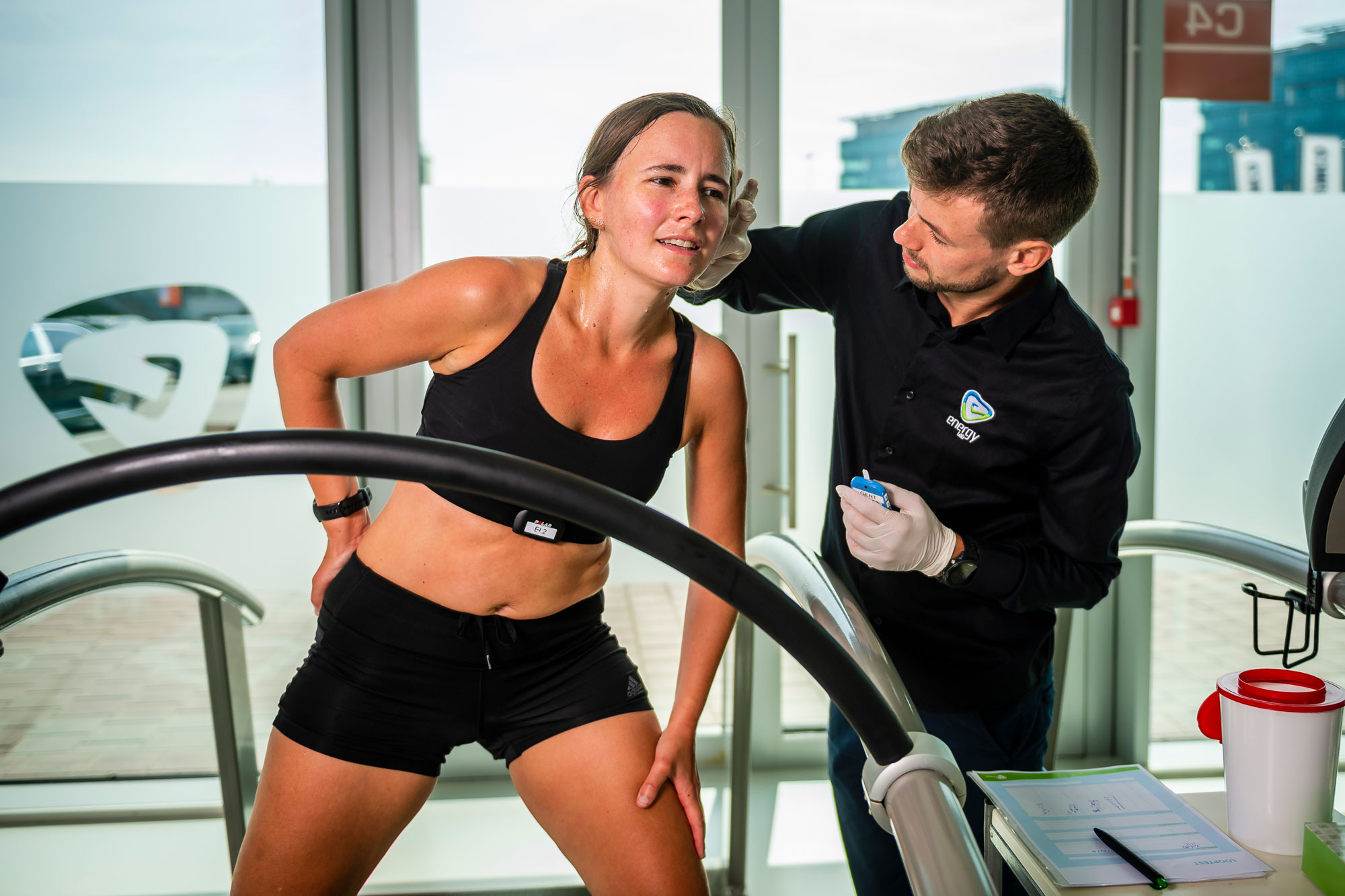
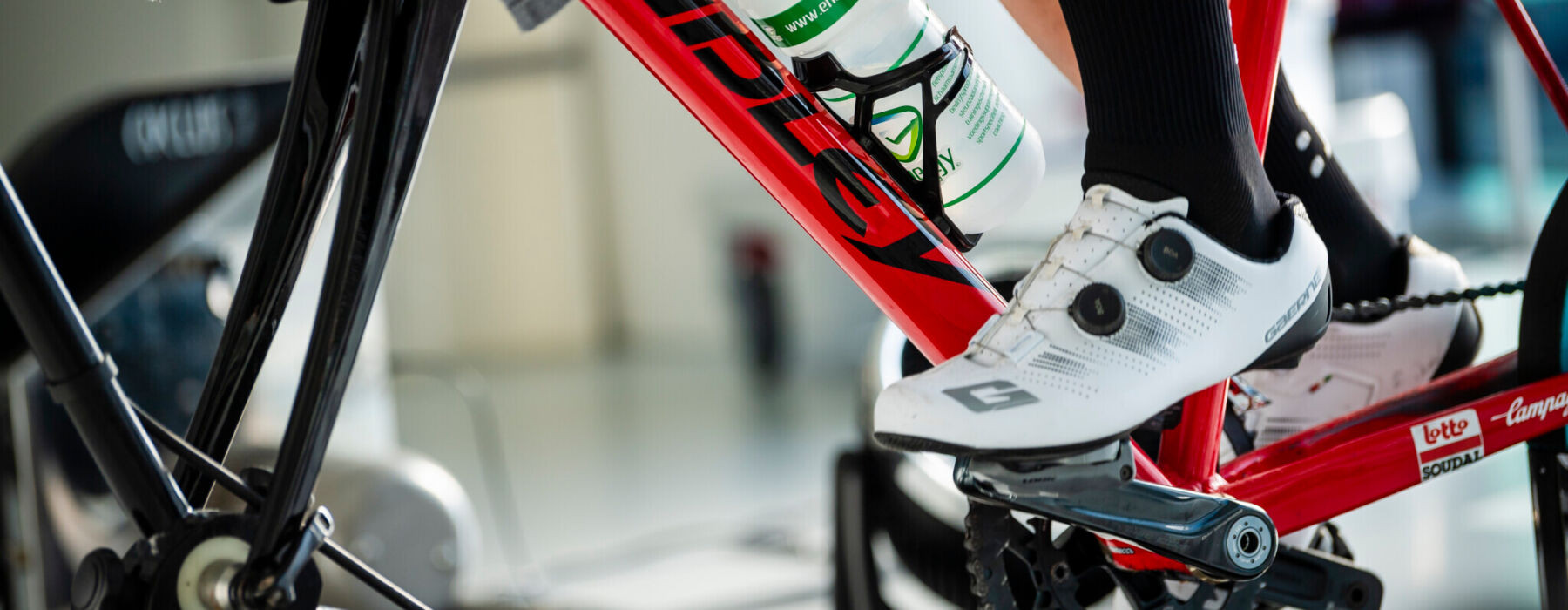
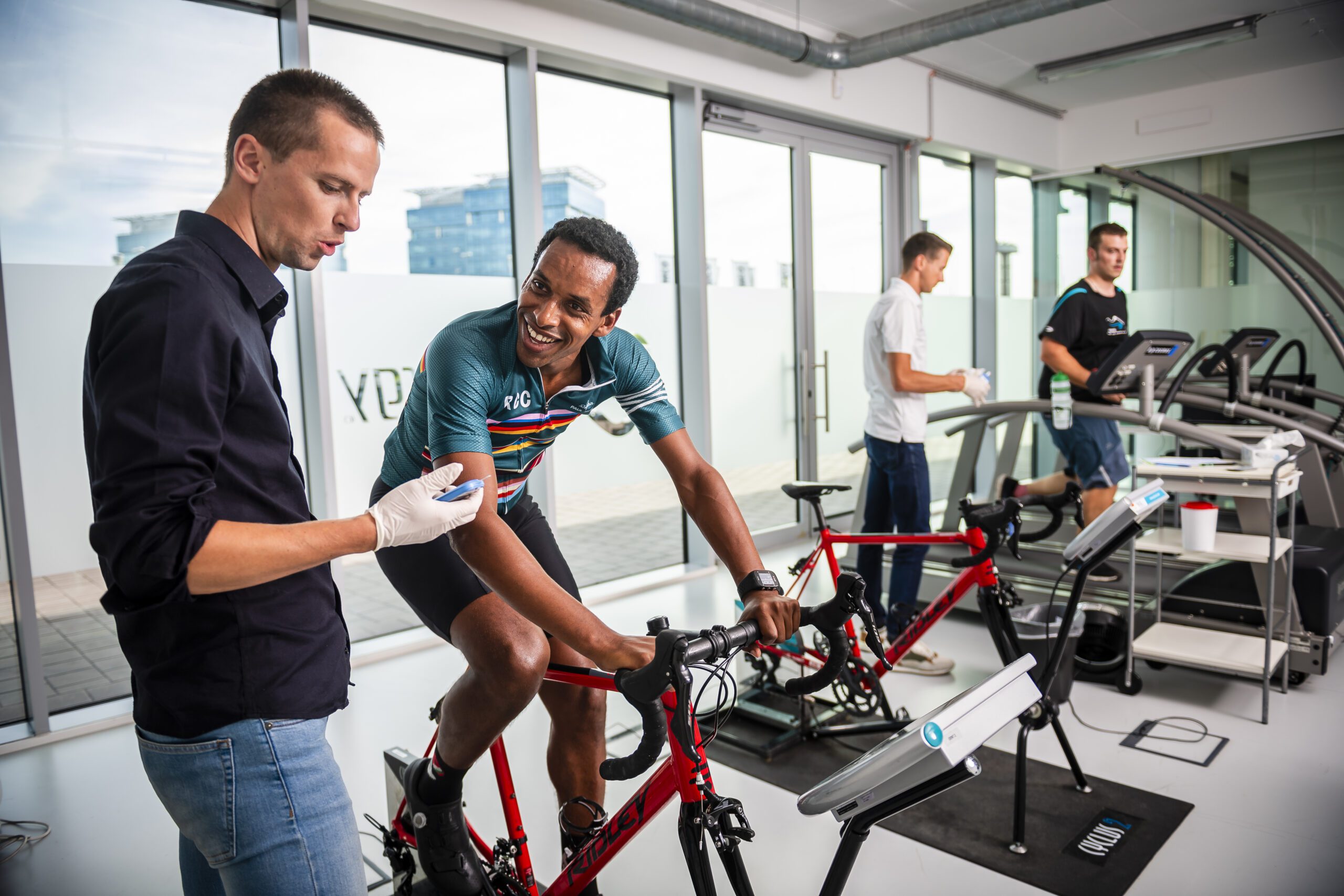
Dr. Sanne Stegen, coordinator at GRAY: That is the question we aim to answer with the BIOKLOK study. Forty participants aged between 35 and 65 will undergo an intensive cycling training program for 6 months under the guidance of Energy Lab coaches. The GRAY research team closely monitors the participants. We want to determine whether becoming physically fitter can reverse our biological age, and also gain insight into other lifestyle factors (such as sleep, stress, and nutrition) that may influence why some individuals gain more healthy years from such a training program than others.
“H42, as a partner, is responsible for conducting the epigenetic tests that will measure the participants’ biological age before and after the 6-month physical training program. Our primary mission is to better understand the aging process and develop innovative strategies to promote healthy aging. Our role in this study aligns perfectly with that mission, as we aim to investigate the impact of endurance training on epigenetic age. This could potentially unlock new insights into the aging process and provide better understanding of healthy aging.” – Sonja Blaauw H42
What BIOKLOK teaches us
In summary, the BIOKLOK study represents a crucial step in unravelling the epigenetic clock and the effects of lifestyle changes on our healthy years. While we have long known that a healthy lifestyle leads to more healthy years, pinpointing the specific impact of a particular lifestyle intervention on our lifespan is challenging.
Through interdisciplinary collaboration and advanced research methods, the study aims to provide insights into how lifestyle choices can influence our biological age. The findings of this study have the potential to shape future interventions and strategies that promote healthier aging, extend life expectancy, and improve the well-being of individuals as they grow older.
Related inspiration

CEO Gravel Challenge
What if, instead of telling CEOs how to perform sustainably, we let them experience it for themselves?
With the CEO Gravel Challenge, Golazo Energy brings together 20 CEOs and C-level leaders in a unique journey where sport becomes a laboratory for performance, leadership and teamwork.
Just like an athlete needs to train, recover, deal with pressure and rely on their team to perform at their best, the same principles apply to today’s leaders.
Golazo integrates OnTracx into its daily running practice: taking biomechanical load into account during training progression
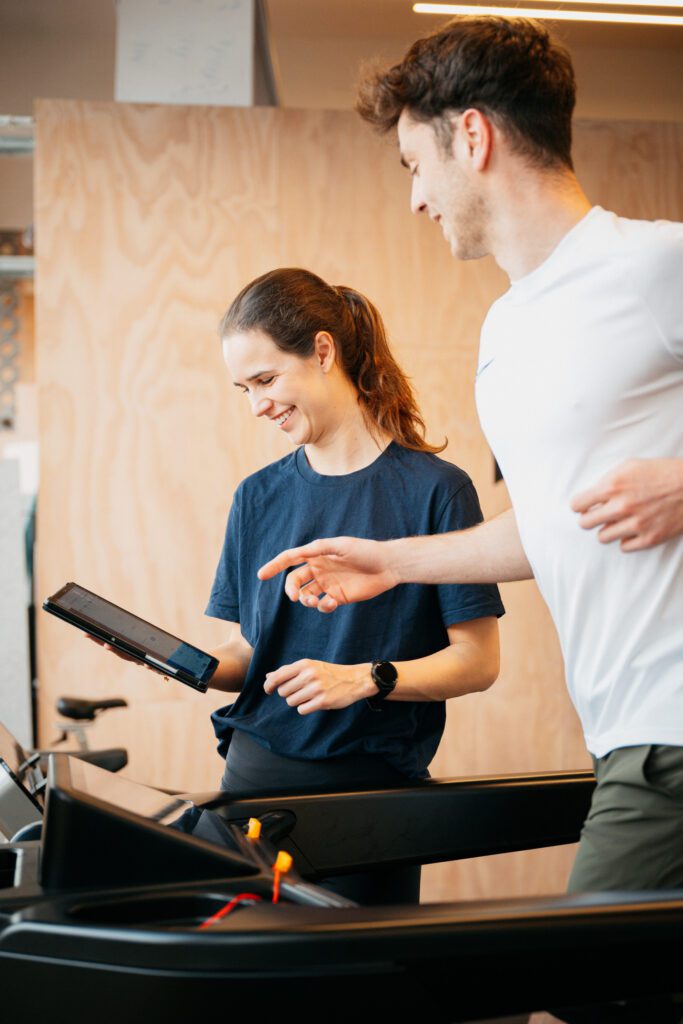
Injuries remain one of the biggest challenges for runners, especially when training load increases faster than the body can adapt. That is why Golazo Energy is taking the next step in science-based running guidance. By integrating OnTracx into its daily running practice, runners gain deeper insight into the biomechanical load their body experiences while running. The result is a more personalised, structured and sustainable training build-up.

VO₂max over 100? Impressive… but do you actually need it?
VO₂max can sometimes seem like the number that matters most. The higher it is, the fitter you are… right? If podcasts and stories about elite athletes are anything to go by, you’d almost think anything below 70 doesn’t count. But is that really true? In this article, we put those impressive numbers into perspective. What does your VO₂max actually tell you about your fitness, how relevant is it to your goals and, more importantly, what should you really focus on if you want to become a stronger athlete?

What does a DEXA scan really measure?
A DEXA scan is often associated with measuring body fat and muscle mass. But did you know it can also provide valuable insights into your bone health, resting metabolic rate and overall body composition? Discover what a DEXA scan really measures and why it offers so much more than a standard body composition assessment.

Baloise Antwerp 10 Miles: where the course truly tests you
The Baloise Antwerp 10 Miles is a true classic but the course demands more than simply holding your pace. In this blog, we highlight where the real challenges lie and share practical tips to help you handle the tunnels, manage your rhythm and adapt to the conditions.
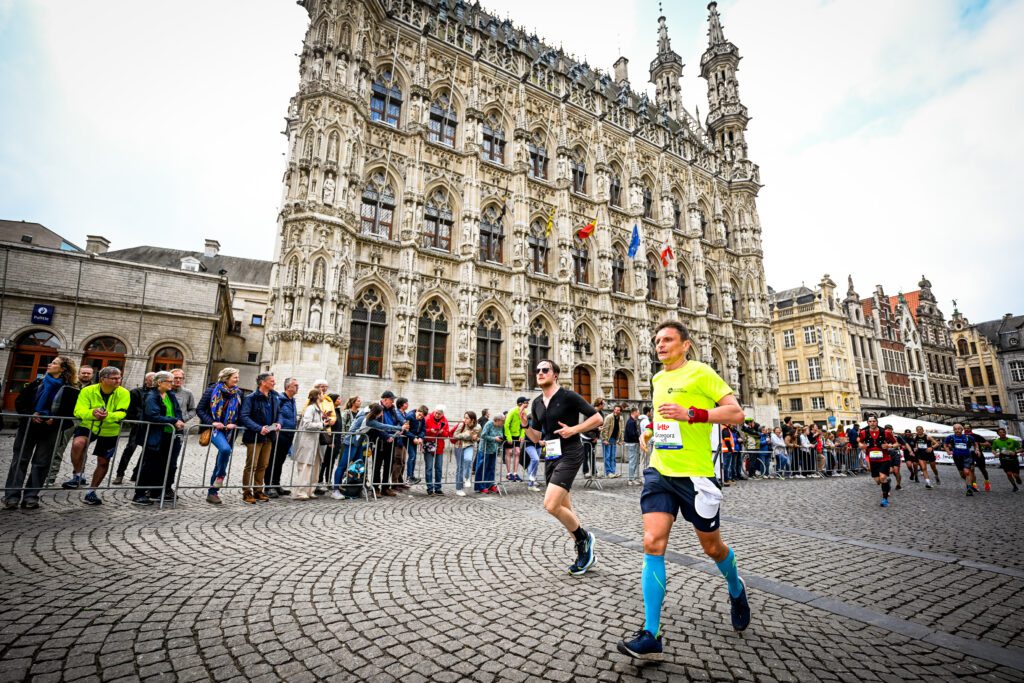
Leuven Marathon: why timing, pacing and courage will define your race
The Leuven Marathon is a brand-new challenge on the Belgian running calendar. With elevation changes, varied surroundings and the possibility of warmer spring conditions, this course demands more than just fitness. In this blog, you’ll discover where the real pitfalls lie and how to approach them with a smart race strategy.

Sofico Ghent Marathon: why this spring classic demands more
For many runners, the Ghent Marathon is the first major race of the spring. What looks like a flat course on paper demands more adaptability in reality. In this blog, you’ll discover the key challenges of the course and get practical tips on how to approach them smartly.

Testimonial Margo
Running a marathon doesn’t start at the start line, it starts with a smart, well-structured plan. In this testimonial, Margo shares how personalised coaching, effort testing and long-term guidance from Golazo Energy helped her complete her first marathon in her home city of Leuven, injury-free and full of confidence.

Finding the right pace for your cycling event
Taking on a gran fondo, an iconic mountain pass or a cobbled classic? Smart pacing is the secret to riding with confidence and crossing the finish line stronger. Former pro cyclist and coach Bart De Clercq shares expert tips on pacing, fuelling and course strategy.


The irresistible pull of ultra-processed foods
They’re everywhere, bright packaging, tempting flavours and perfectly portioned. Ultra-processed foods have become part of daily life, and let’s be honest: they’re hard to resist. But why is that? And what do these foods actually do to your body, your energy and your performance?

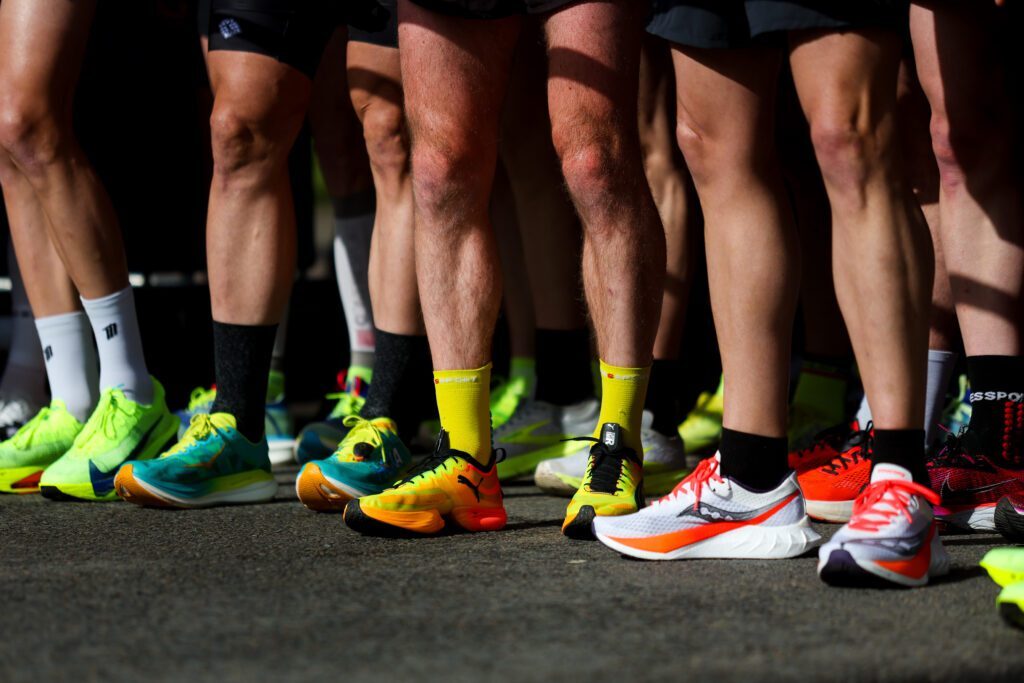
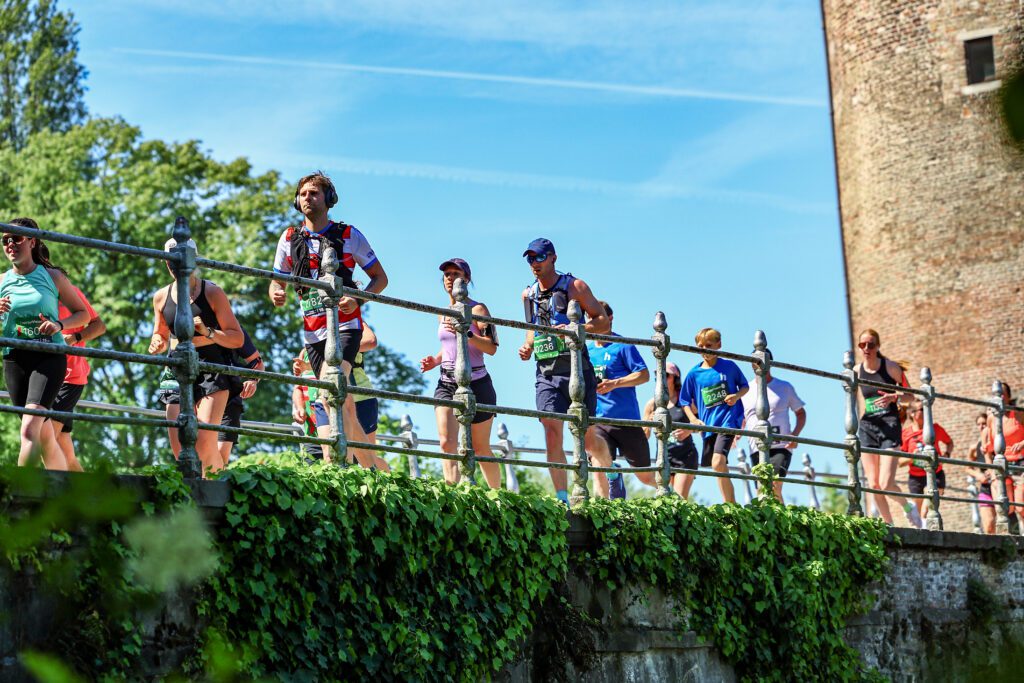


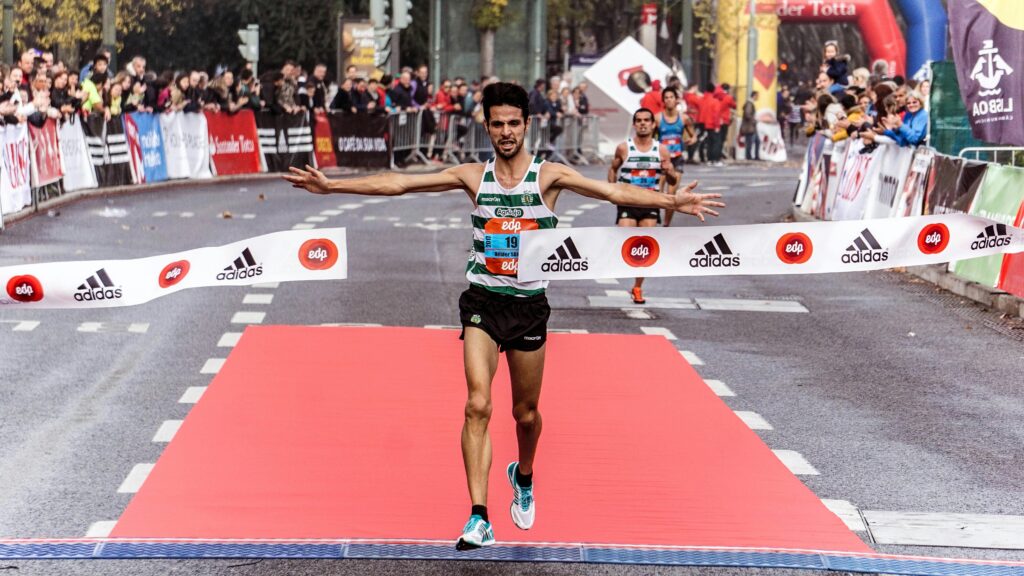
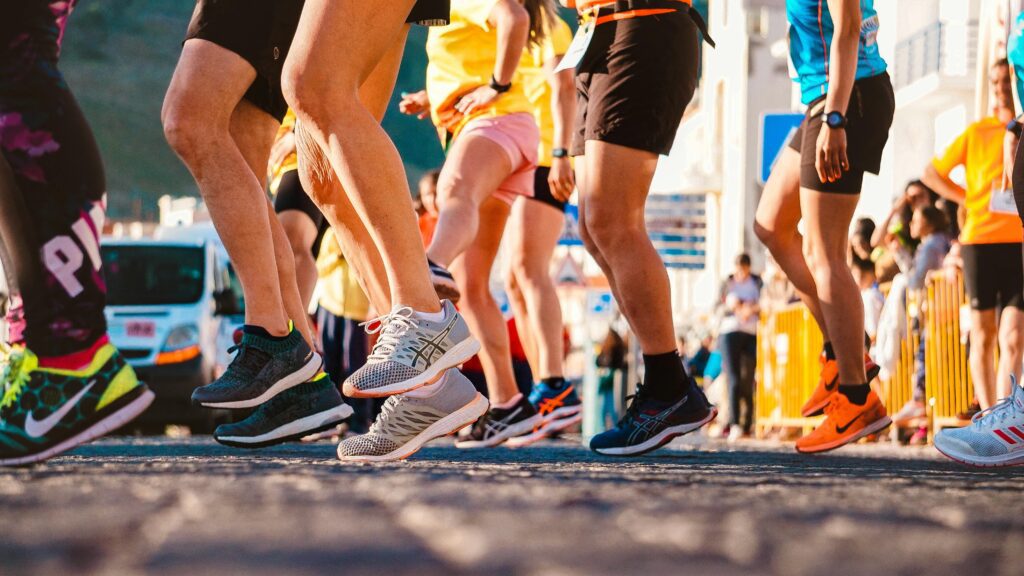
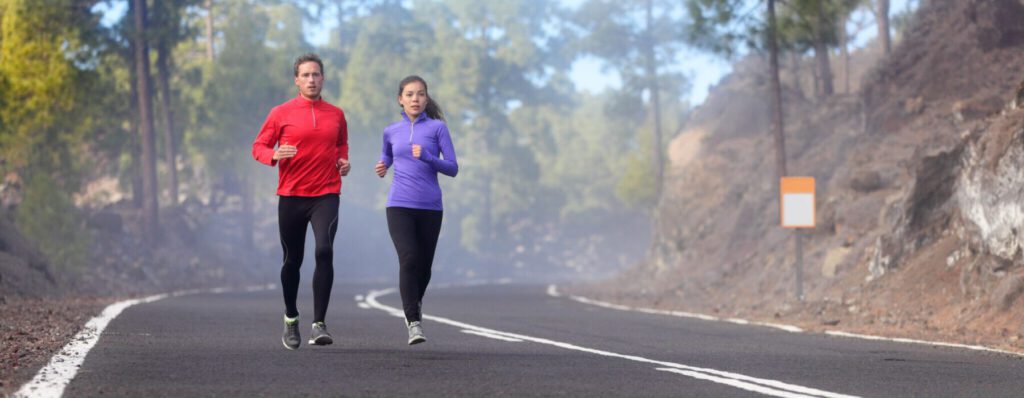
How to determine your workout intensity
This article explains how to determine the right workout intensity based on your fitness goals. By understanding your heart rate zones and calculating your maximum heart rate, you can optimize your training for better performance. It offers practical advice on adjusting your intensity to improve endurance or target specific fitness improvements.
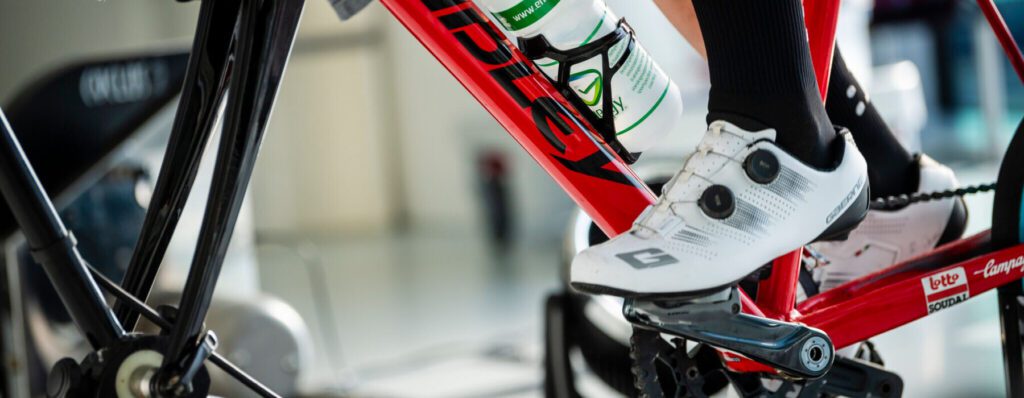
How many years and quality of life can be gained by becoming physically fitter?
Discover how improving your physical fitness can add years to your life and enhance its quality. Studies show that regular exercise can significantly extend life expectancy and reduce the risk of diseases. Find out the benefits of becoming more physically active and how small changes can have a big impact on your health and longevity.