
After months of building up your training, you finally reach the pinnacle of your schedule: the peak training week. This is the crucial period where you prepare yourself both physically and mentally for race day. But what does it really involve?
What is a peak training week?
Research shows that we can improve our fitness levels over 4 to 6 months before reaching a temporary peak. The purpose of a structured training plan is to gradually increase your mileage and intensity towards a key week. This peak week represents the most challenging phase of your training and is followed by a tapering period – a phase where training intensity and volume are reduced. This approach allows your body to adapt, improve fitness, and avoid injuries by gradually increasing your workload without overdoing it.
Why is it important?
The peak training week is when you’ll complete your most intensive and highest-volume workouts. It’s typically followed by a tapering phase to allow your body to recover and perform at its best on race day. Done correctly, this week not only pushes you physically but also strengthens you mentally. It boosts your confidence as you discover what your body is truly capable of achieving.
How does it work?
What your peak training week looks like depends on the type of race you’re preparing for and your personal goals. The common factor is that it will always be the most intense and demanding week of your training plan.
When should it happen?
Older training plans often scheduled the peak week 3 to 4 weeks before race day. However, this sometimes left runners feeling sluggish on race day. Modern plans usually place the peak week about 2 weeks before the race. This timing allows enough recovery through tapering while preserving the benefits of your hard training. Golazo Energy coach Thijs Dekiere explains: “A taper period typically lasts between 7 and 14 days. Depending on your training volume and intensity, the taper can be shorter or longer. For marathons, the taper usually starts 10 to 14 days before the event. Training volume generally decreases to about 60 to 70% of your peak week, while intensity remains the same.”
Missing a session during your peak week? Don’t worry, and certainly don’t try to make it up. Training plans are carefully designed with a mix of easy runs, speed work, and cross-training to improve your fitness while minimising the risk of overtraining. Running longer or faster than planned can do more harm than good. Embrace this challenging week as an opportunity to step out of your comfort zone and prepare yourself for race day. Trust the process – the effort will pay off when it matters most.
Need help with your training plan?
Struggling to structure your training or unsure how to make the most of your peak week?
At Golazo Energy, we start with a fitness test to assess your current level and identify your strengths and areas for improvement. Based on these insights, we create a personalised training plan tailored to your goals. Learn more about our running effort test and start your next race journey with confidence!
Discover our running effort testAn article in collaboration with running.be
Related inspiration

CEO Gravel Challenge
What if, instead of telling CEOs how to perform sustainably, we let them experience it for themselves?
With the CEO Gravel Challenge, Golazo Energy brings together 20 CEOs and C-level leaders in a unique journey where sport becomes a laboratory for performance, leadership and teamwork.
Just like an athlete needs to train, recover, deal with pressure and rely on their team to perform at their best, the same principles apply to today’s leaders.

Golazo integrates OnTracx into its daily running practice: taking biomechanical load into account during training progression
Injuries remain one of the biggest challenges for runners, especially when training load increases faster than the body can adapt. That is why Golazo Energy is taking the next step in science-based running guidance. By integrating OnTracx into its daily running practice, runners gain deeper insight into the biomechanical load their body experiences while running. The result is a more personalised, structured and sustainable training build-up.

VO₂max over 100? Impressive… but do you actually need it?
VO₂max can sometimes seem like the number that matters most. The higher it is, the fitter you are… right? If podcasts and stories about elite athletes are anything to go by, you’d almost think anything below 70 doesn’t count. But is that really true? In this article, we put those impressive numbers into perspective. What does your VO₂max actually tell you about your fitness, how relevant is it to your goals and, more importantly, what should you really focus on if you want to become a stronger athlete?

What does a DEXA scan really measure?
A DEXA scan is often associated with measuring body fat and muscle mass. But did you know it can also provide valuable insights into your bone health, resting metabolic rate and overall body composition? Discover what a DEXA scan really measures and why it offers so much more than a standard body composition assessment.

Baloise Antwerp 10 Miles: where the course truly tests you
The Baloise Antwerp 10 Miles is a true classic but the course demands more than simply holding your pace. In this blog, we highlight where the real challenges lie and share practical tips to help you handle the tunnels, manage your rhythm and adapt to the conditions.
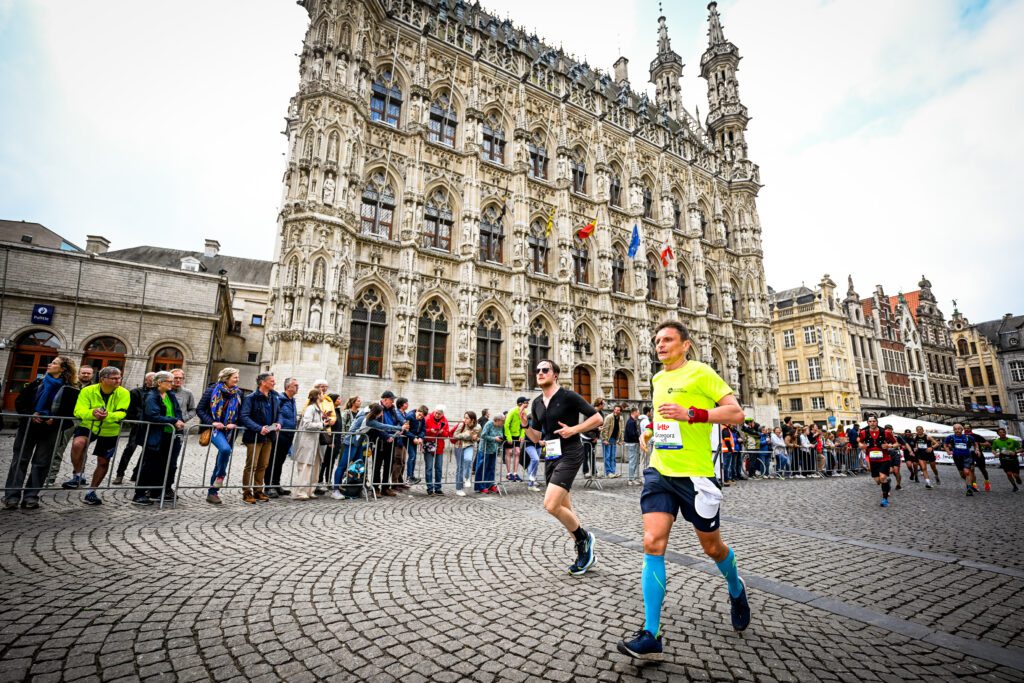
Leuven Marathon: why timing, pacing and courage will define your race
The Leuven Marathon is a brand-new challenge on the Belgian running calendar. With elevation changes, varied surroundings and the possibility of warmer spring conditions, this course demands more than just fitness. In this blog, you’ll discover where the real pitfalls lie and how to approach them with a smart race strategy.

Sofico Ghent Marathon: why this spring classic demands more
For many runners, the Ghent Marathon is the first major race of the spring. What looks like a flat course on paper demands more adaptability in reality. In this blog, you’ll discover the key challenges of the course and get practical tips on how to approach them smartly.

Testimonial Margo
Running a marathon doesn’t start at the start line, it starts with a smart, well-structured plan. In this testimonial, Margo shares how personalised coaching, effort testing and long-term guidance from Golazo Energy helped her complete her first marathon in her home city of Leuven, injury-free and full of confidence.

Finding the right pace for your cycling event
Taking on a gran fondo, an iconic mountain pass or a cobbled classic? Smart pacing is the secret to riding with confidence and crossing the finish line stronger. Former pro cyclist and coach Bart De Clercq shares expert tips on pacing, fuelling and course strategy.


The irresistible pull of ultra-processed foods
They’re everywhere, bright packaging, tempting flavours and perfectly portioned. Ultra-processed foods have become part of daily life, and let’s be honest: they’re hard to resist. But why is that? And what do these foods actually do to your body, your energy and your performance?

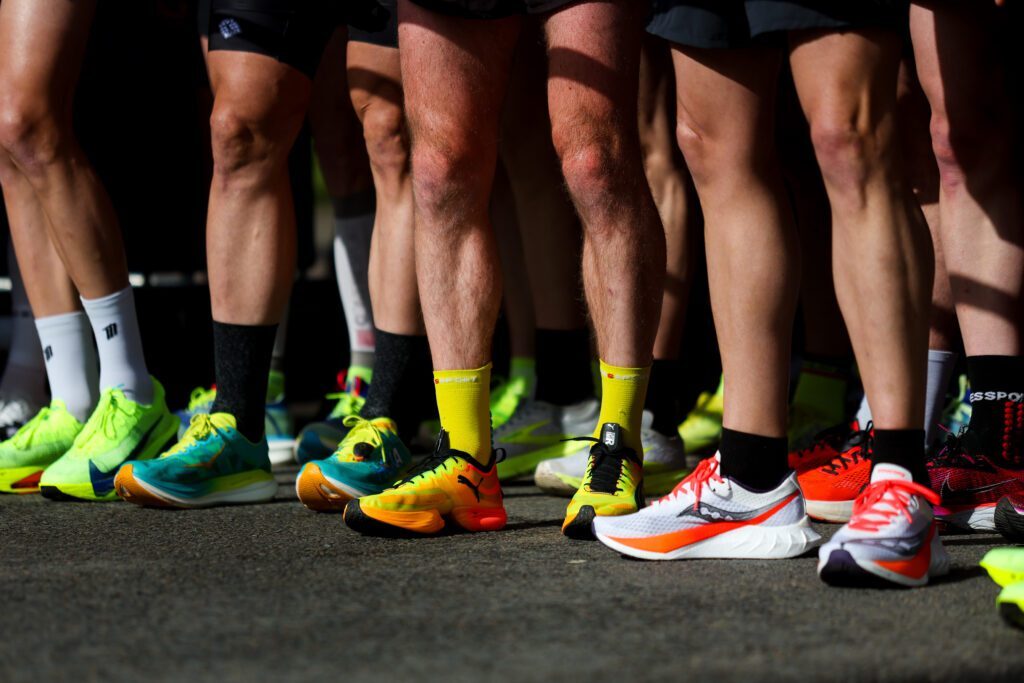



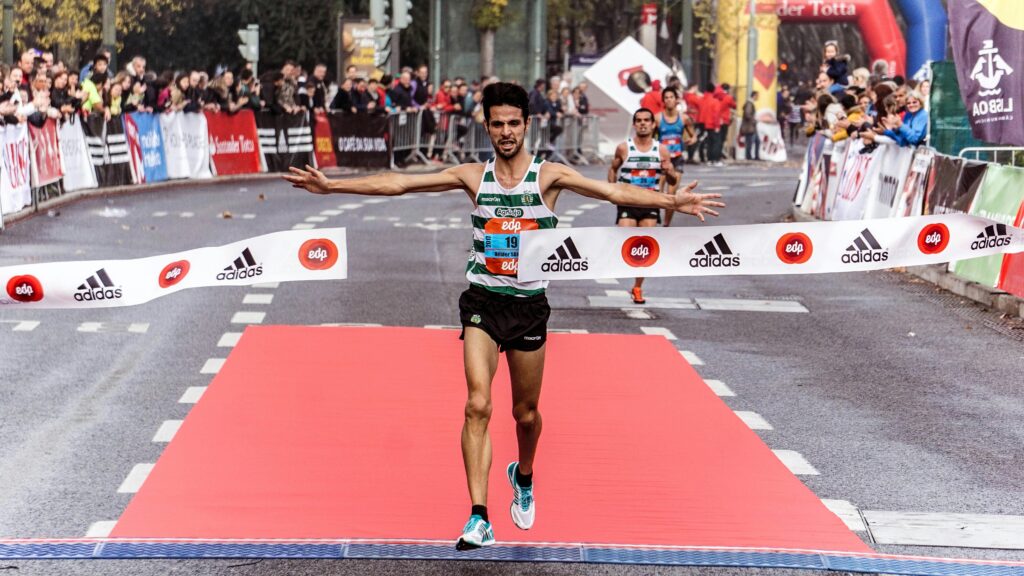


How to determine your workout intensity
This article explains how to determine the right workout intensity based on your fitness goals. By understanding your heart rate zones and calculating your maximum heart rate, you can optimize your training for better performance. It offers practical advice on adjusting your intensity to improve endurance or target specific fitness improvements.
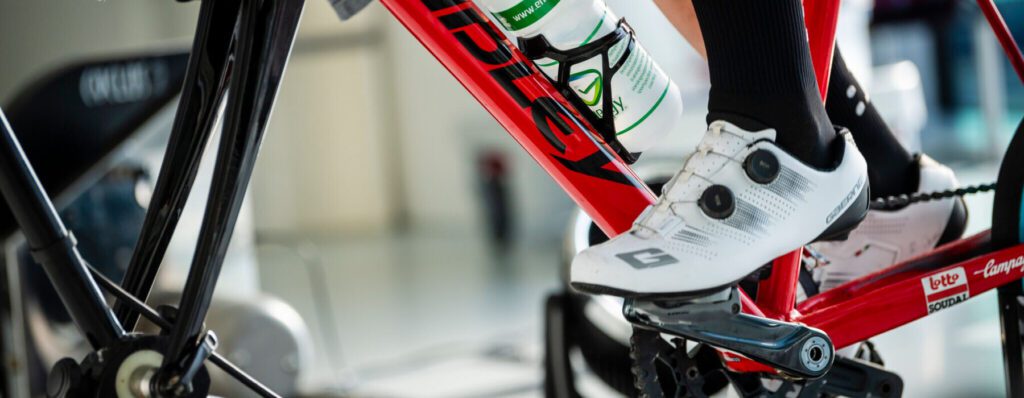
How many years and quality of life can be gained by becoming physically fitter?
Discover how improving your physical fitness can add years to your life and enhance its quality. Studies show that regular exercise can significantly extend life expectancy and reduce the risk of diseases. Find out the benefits of becoming more physically active and how small changes can have a big impact on your health and longevity.