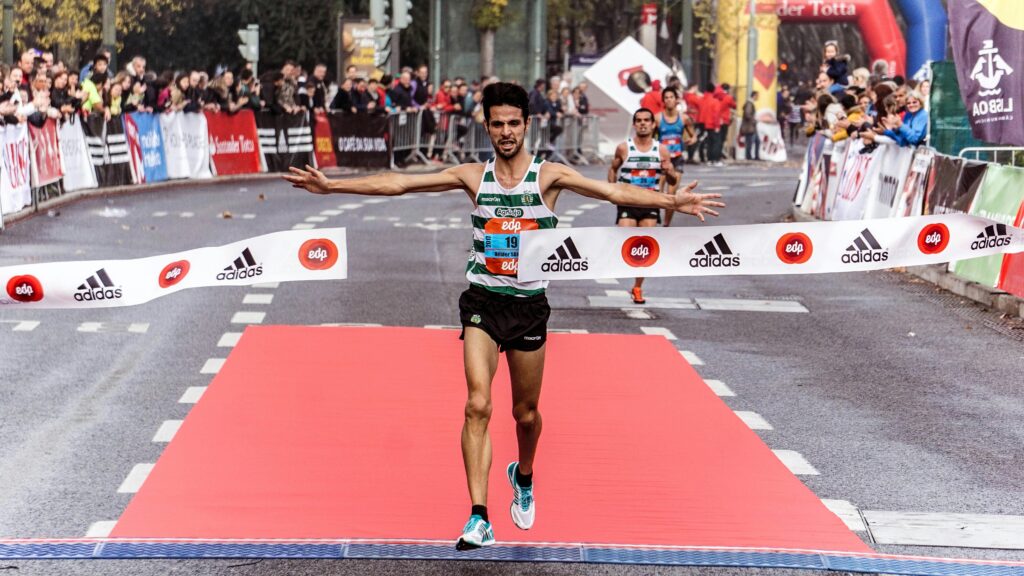
For many runners, the Sofico Ghent Marathon is the first major target of the spring. After months of winter training, this race is where everything comes together: fitness, endurance, mental sharpness and… adaptability.
The real challenge of this marathon doesn’t lie in one single element, but in the combination of seasonal transition, wind-exposed sections and a deceptively tough finish. If you want to finish strong in Ghent, you need to adapt to both the course and the conditions.

From winter training to race day in spring
Most runners prepare for the Sofico Ghent Marathon throughout the winter months. That means training in colder temperatures, rain, wind and sometimes even icy conditions. It’s exactly why race day can feel different from what you expect.
March and April can be unpredictable. It may be cold and wet, with typical spring downpours, or Ghent might suddenly be bathed in early sunshine. That contrast adds an extra layer of difficulty: your body is trained in winter mode, while race day conditions might no longer be.
A smart preparation strategy here means flexibility. Don’t only train in the cold if possible, take advantage of milder days to see how your body responds to warmer temperatures. On race day, it pays off not to stick rigidly to your pre-planned pace, but to run by effort. Hydration also becomes a key factor, particularly if temperatures rise.
Ghent city centre: cobbles require focus
In the opening kilometres of the Ghent Marathon, you run through the historic city centre. It creates atmosphere but it also means cobbled sections that shouldn’t be underestimated. They demand extra focus and stability, especially when you’re still fresh and full of adrenaline.
This is not the moment to surge or fight for position. On the contrary: staying relaxed, slightly increasing your cadence and shortening your stride will help you move more efficiently while conserving energy. Treat this section as part of your extended warm-up, not as a place to gain minutes.

Managing the wind along the river
After the city section comes a long middle phase along the river, one of the most decisive parts of the course. Here, wind often plays a leading role. Sometimes it works in your favour but just as often it doesn’t.
When facing a headwind, the temptation is to stick stubbornly to your target pace. That’s where many runners go wrong. The smarter strategy is to manage your effort rather than your speed. Let your pace drop slightly, find shelter within a group and protect your energy reserves.
It’s also worth remembering that this isn’t the only exposed section of the race. If you burn too many matches here, you may have little left when the wind shifts later on. Patience is key.

The final kilometres in Ghent
After 35 kilometres, the final stretch begins. Fatigue is deep, energy levels are low and a few climbs in the city centre still await.
This is where everything comes together: pacing, energy management and mental resilience. Those who have raced smartly can handle these climbs in a controlled way. Those who pushed too hard into the wind or started too fast will feel just how demanding a marathon can be.
A helpful mental strategy here is to focus not on the climb itself, but on what comes after it: the finish line and that sense of achievement. Keep your posture strong, stay composed and remember that every step brings you closer.
A marathon that demands more than endurance
The Sofico Ghent Marathon requires insight, adaptability and awareness of the conditions. Learning to switch between winter and spring, shelter and exposure, city streets and open roads will significantly increase your chances of a strong finish.
With the right preparation and a smart race strategy, this spring marathon becomes not only a sporting challenge, but also a memorable running experience through the beautiful city of Ghent.
Want to prepare properly for the Sofico Ghent Marathon? We’ve got you covered!
With a running fitness test, we assess your current condition and map out your training zones. Based on your results, we create a personalised training plan to get you fully race-ready.
Book your running effort testRelated inspiration
How many years and quality of life can be gained by becoming physically fitter?
Discover how improving your physical fitness can add years to your life and enhance its quality. Studies show that regular exercise can significantly extend life expectancy and reduce the risk of diseases. Find out the benefits of becoming more physically active and how small changes can have a big impact on your health and longevity.