
Sound familiar? You just wanted a few crisps, but suddenly the bag is empty. Not because you were hungry. Not because they were the best crisps ever. But because stopping felt… oddly hard.
That’s not a lack of willpower. It’s exactly how ultra-processed foods (UPFs) are formulated to work.
But what makes these foods so hard to resist? And more importantly: how do they affect your body, energy and performance?

Ultra-what?
Ultra-processed foods are items that have been changed so much, you’d barely recognise the original ingredients. They belong to Group 4 of the NOVA classification, a system that categorises foods based on how much processing they’ve been through.
Let’s take potatoes as an example:
- Freshly boiled at home? All good (Group 1).
- Instant mash from a packet? Processed (Group 3).
- Flavoured crisps with additives and colourings? Ultra-processed (Group 4).
What all UPFs have in common is how they’re made. The ingredient list often reads like a chemistry set, think maltodextrin (a fast-absorbing carb used to thicken or bulk), hydrogenated fats, artificial sweeteners, emulsifiers (to keep textures smooth), colour additives… All carefully chosen to make them last longer, taste better, and keep you coming back for more.
From fizzy drinks and protein bars to breakfast cereals and ready meals, UPFs are everywhere. Even items that seem healthy, like light yoghurt or plant-based burgers, can fall into this category.
Why you keep eating, even when you’re not hungry
UPFs are designed to light up your brain. Not with nutrients, but with an intensely crafted flavour that’s hard to resist. It’s the perfect balance of fat, sugar and salt, known as the bliss point which triggers your brain’s dopamine system. That’s your internal reward system, making you feel good every time you do something enjoyable, like eating, exercising, or socialising.
But it’s not just about flavour. The texture is tailored too – crisp, creamy, melt-in-your-mouth – exactly what our brains love. Add flashy packaging, clever marketing, and the lack of filling fibres or proteins… and you’ve got a recipe for mindless overeating.
What UPFs do to your body
While UPFs tend to be high in calories, they give back very little. No sustained energy, no long-lasting feeling of fullness, no building blocks for recovery. They spike your blood sugar quickly, followed by a dip that leaves you tired, irritable and craving more. Because they’re low in fibre and protein, your stomach doesn’t fill up properly, and satiety signals are barely activated.
For athletes and active people, that’s a double risk. Your body thrives on quality fuel: slow carbs for stable energy, protein for muscle repair, micronutrients for focus and endurance. UPFs offer little of that.
The result? Nutrient gaps, poor recovery, and energy swings that get in the way of performance.

“As a dietitian, I believe there’s room for a cookie, dessert or a bit of chocolate. These are the little moments of joy and they matter. But if you want to support your health, energy and performance, it’s important to be mindful. Don’t see UPFs as ‘bad’, just something you say a conscious ‘yes’ to now and then, and an equally conscious ‘no’ when it matters.”
— Sarah Braet, Dietitian at Golazo Energy

Healthy eating doesn’t have to be a strict regime
Fortunately, it doesn’t have to be so all-or-nothing. It’s not about cutting everything out, it’s about making conscious choices.
“Saying ‘yes’ to an ultra-processed food now and then won’t make you unhealthy or undo the effort you’ve already put in,” says Sarah Braet. “It’s the overall picture of your diet that counts, not that one cookie or packet of crisps.”
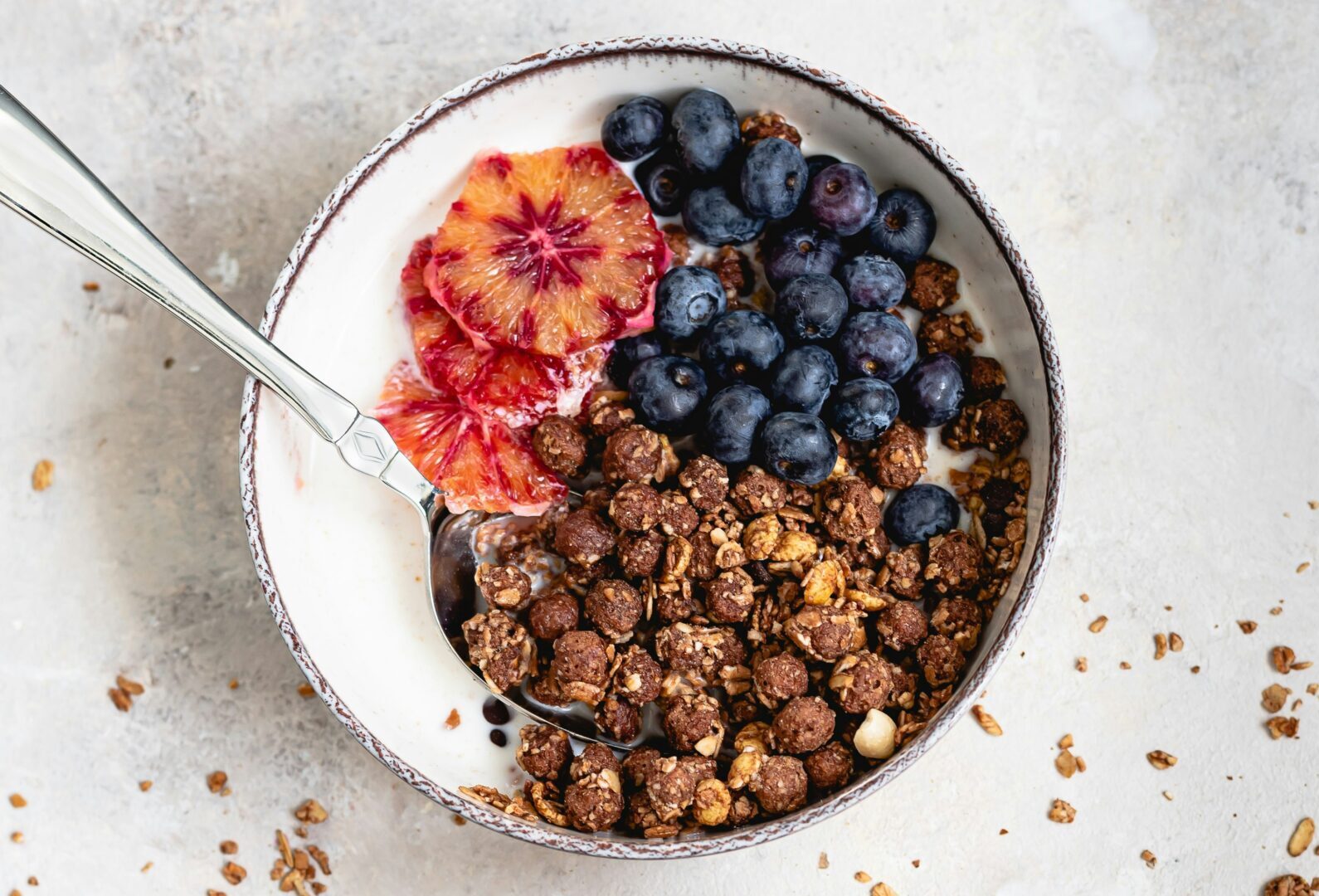
Start with small swaps:
- Trade colourful sugary cereals for oats with nuts and fruit.
- Go for snacks made from real ingredients, like dates, nuts or seeds instead of bars packed with 15 unpronounceable components.
- Keep healthy options visible at home, and put tempting ones out of sight.
Let about 80% of your food come from unprocessed or minimally processed sources: vegetables, fruit, whole grains, legumes, fish, eggs, dairy. That’s how you give your body what it truly needs.
Structure helps too. Eating regularly and in balanced portions reduces the urge to reach for sugary snacks. And smart combos go a long way, think a boiled egg with fruit, or avocado on a cracker. They’ll keep you fuller for longer than a handful of sweets.
Ultra-processed foods aren’t off-limits. A biscuit, some crisps or a square of chocolate all have their place. But if you want to perform, recover and feel energised, physically and mentally, it pays to approach UPFs with awareness.
Healthy eating doesn’t have to feel like a chore. When you make conscious food choices, you create space for both vitality and pleasure.
Gerelateerde inspiratie

CEO Gravel Challenge
What if, instead of telling CEOs how to perform sustainably, we let them experience it for themselves?
With the CEO Gravel Challenge, Golazo Energy brings together 20 CEOs and C-level leaders in a unique journey where sport becomes a laboratory for performance, leadership and teamwork.
Just like an athlete needs to train, recover, deal with pressure and rely on their team to perform at their best, the same principles apply to today’s leaders.
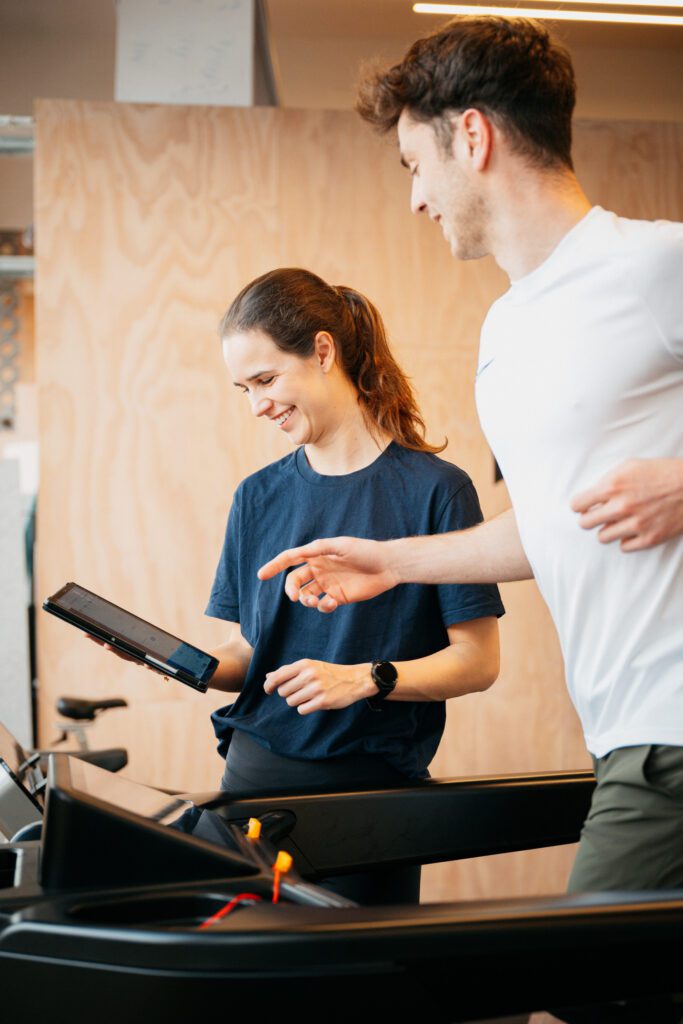
Golazo integrates OnTracx into its daily running practice: taking biomechanical load into account during training progression
Injuries remain one of the biggest challenges for runners, especially when training load increases faster than the body can adapt. That is why Golazo Energy is taking the next step in science-based running guidance. By integrating OnTracx into its daily running practice, runners gain deeper insight into the biomechanical load their body experiences while running. The result is a more personalised, structured and sustainable training build-up.

VO₂max over 100? Impressive… but do you actually need it?
VO₂max can sometimes seem like the number that matters most. The higher it is, the fitter you are… right? If podcasts and stories about elite athletes are anything to go by, you’d almost think anything below 70 doesn’t count. But is that really true? In this article, we put those impressive numbers into perspective. What does your VO₂max actually tell you about your fitness, how relevant is it to your goals and, more importantly, what should you really focus on if you want to become a stronger athlete?

What does a DEXA scan really measure?
A DEXA scan is often associated with measuring body fat and muscle mass. But did you know it can also provide valuable insights into your bone health, resting metabolic rate and overall body composition? Discover what a DEXA scan really measures and why it offers so much more than a standard body composition assessment.

Baloise Antwerp 10 Miles: where the course truly tests you
The Baloise Antwerp 10 Miles is a true classic but the course demands more than simply holding your pace. In this blog, we highlight where the real challenges lie and share practical tips to help you handle the tunnels, manage your rhythm and adapt to the conditions.

Leuven Marathon: why timing, pacing and courage will define your race
The Leuven Marathon is a brand-new challenge on the Belgian running calendar. With elevation changes, varied surroundings and the possibility of warmer spring conditions, this course demands more than just fitness. In this blog, you’ll discover where the real pitfalls lie and how to approach them with a smart race strategy.

Sofico Ghent Marathon: why this spring classic demands more
For many runners, the Ghent Marathon is the first major race of the spring. What looks like a flat course on paper demands more adaptability in reality. In this blog, you’ll discover the key challenges of the course and get practical tips on how to approach them smartly.

Testimonial Margo
Running a marathon doesn’t start at the start line, it starts with a smart, well-structured plan. In this testimonial, Margo shares how personalised coaching, effort testing and long-term guidance from Golazo Energy helped her complete her first marathon in her home city of Leuven, injury-free and full of confidence.

Finding the right pace for your cycling event
Taking on a gran fondo, an iconic mountain pass or a cobbled classic? Smart pacing is the secret to riding with confidence and crossing the finish line stronger. Former pro cyclist and coach Bart De Clercq shares expert tips on pacing, fuelling and course strategy.


The irresistible pull of ultra-processed foods
They’re everywhere, bright packaging, tempting flavours and perfectly portioned. Ultra-processed foods have become part of daily life, and let’s be honest: they’re hard to resist. But why is that? And what do these foods actually do to your body, your energy and your performance?







How to determine your workout intensity
This article explains how to determine the right workout intensity based on your fitness goals. By understanding your heart rate zones and calculating your maximum heart rate, you can optimize your training for better performance. It offers practical advice on adjusting your intensity to improve endurance or target specific fitness improvements.
How many years and quality of life can be gained by becoming physically fitter?
Discover how improving your physical fitness can add years to your life and enhance its quality. Studies show that regular exercise can significantly extend life expectancy and reduce the risk of diseases. Find out the benefits of becoming more physically active and how small changes can have a big impact on your health and longevity.