
You’ve spent weeks, maybe even months, preparing for that one big ride. Your legs feel strong, your motivation is high. But how do you pace yourself so you don’t burn out too soon or, on the flip side, hold back too much? A smart pacing strategy is the key to enjoying the day while performing at your best.
According to Bart De Clercq, coach at Golazo Energy and former pro cyclist, everything starts with an honest look at your abilities:
“A gran fondo, the Tour of Flanders for amateurs, or a legendary mountain climb each requires a different approach. Looking back at previous rides and training sessions gives you a realistic idea of what’s achievable in terms of time, heart rate, and power output.”
“Knowing your body and learning to read your own limits is the foundation of smart pacing,” Bart adds. “If that’s difficult for you, there are plenty of tools and tests to help you get an accurate picture of your fitness.”
Power or heart rate: your guide on the bike
Once reserved for pros, power meters have become increasingly popular among recreational cyclists and for good reason. Power is an incredibly reliable metric: every change in pedal pressure is instantly recorded, giving you real-time feedback. It doesn’t just help you pace yourself during an event but also track progress over time. You can see the exact wattage you can sustain on a climb and how your performance improves at a given heart rate, giving you concrete numbers to measure progress.
No power meter? Heart rate training is still highly effective. Just remember there’s a lag in your heart rate response, especially during short intervals (under three minutes), which can make it harder to assess your true effort.
When preparing for a specific event, train on terrain similar to what you’ll face. For short, steep efforts, aim around or just above your FTP (functional threshold power: the maximum you can hold for 45 to 60 minutes). For recovery sections, ride at about 55–65% of FTP.
“Riding above FTP means you’re in the red zone, you won’t hold it for an hour,” warns Bart. “On long climbs, stay under 95% of FTP. Short bursts are fine, but make sure to balance them with easier sections.”
Another common mistake? Going out too hard. “Keep some energy in reserve at the start,” says Bart. “You’ll often finish faster and stronger, with less fatigue in the final stretch.”

Know the course
Whether it’s a mountain climb or a cobbled classic, studying the course pays off. It’s not just practical; it gives you a mental edge. Identify the toughest sections, steep gradients, and windy stretches, as well as spots where you can recover.
“Visualising the route helps create mental checkpoints,” Bart explains. “After that climb, you know you’re halfway; there’s a flat section coming up to recover.”
A good pacing plan accounts for these details so you’re never caught off guard.
Fuel your ride
Nutrition and hydration are just as important as training. “Think of yourself as a sports car,” says Bart. “You can have a powerful engine, but without fuel you’ll end up stranded.” The dreaded “bonk” can hit suddenly and hard, so preparation is key.
Recent research shows that trained athletes can absorb 90–120g of carbs per hour, far more than the traditional 60g guideline. Some elite riders even exceed that. Create a nutrition plan ahead of time: decide where to eat and drink (flat or descending sections are ideal) and locate feed stations on your route.
Not sure what’s best for you? Our nutrition experts can help create a personalised fuelling strategy tailored to your needs during a nutrition consultation sports.
Your personal pacing plan
Want to know exactly how fast you should ride? A cycling effort test will pinpoint your power and heart rate zones. From there, we’ll design a customised training plan that not only makes you stronger but teaches you how to distribute your energy efficiently. That way, you’ll approach your cycling challenge with confidence – and enjoy every kilometre.
Book your cycling effort testRelated inspiration

CEO Gravel Challenge
What if, instead of telling CEOs how to perform sustainably, we let them experience it for themselves?
With the CEO Gravel Challenge, Golazo Energy brings together 20 CEOs and C-level leaders in a unique journey where sport becomes a laboratory for performance, leadership and teamwork.
Just like an athlete needs to train, recover, deal with pressure and rely on their team to perform at their best, the same principles apply to today’s leaders.
Golazo integrates OnTracx into its daily running practice: taking biomechanical load into account during training progression
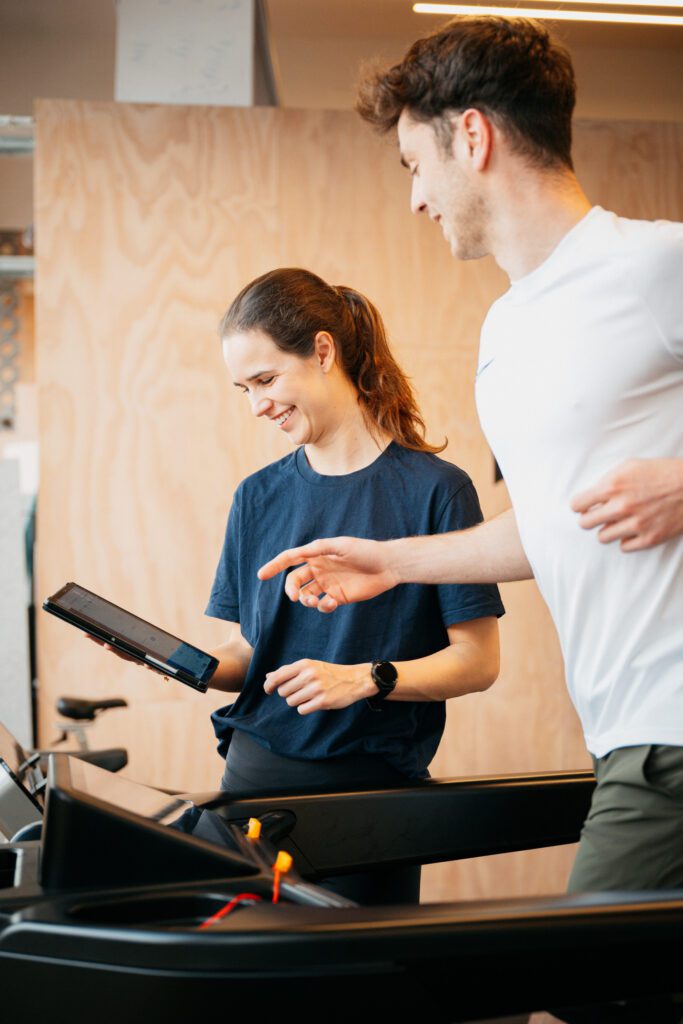
Injuries remain one of the biggest challenges for runners, especially when training load increases faster than the body can adapt. That is why Golazo Energy is taking the next step in science-based running guidance. By integrating OnTracx into its daily running practice, runners gain deeper insight into the biomechanical load their body experiences while running. The result is a more personalised, structured and sustainable training build-up.

VO₂max over 100? Impressive… but do you actually need it?
VO₂max can sometimes seem like the number that matters most. The higher it is, the fitter you are… right? If podcasts and stories about elite athletes are anything to go by, you’d almost think anything below 70 doesn’t count. But is that really true? In this article, we put those impressive numbers into perspective. What does your VO₂max actually tell you about your fitness, how relevant is it to your goals and, more importantly, what should you really focus on if you want to become a stronger athlete?

What does a DEXA scan really measure?
A DEXA scan is often associated with measuring body fat and muscle mass. But did you know it can also provide valuable insights into your bone health, resting metabolic rate and overall body composition? Discover what a DEXA scan really measures and why it offers so much more than a standard body composition assessment.

Baloise Antwerp 10 Miles: where the course truly tests you
The Baloise Antwerp 10 Miles is a true classic but the course demands more than simply holding your pace. In this blog, we highlight where the real challenges lie and share practical tips to help you handle the tunnels, manage your rhythm and adapt to the conditions.
Leuven Marathon: why timing, pacing and courage will define your race
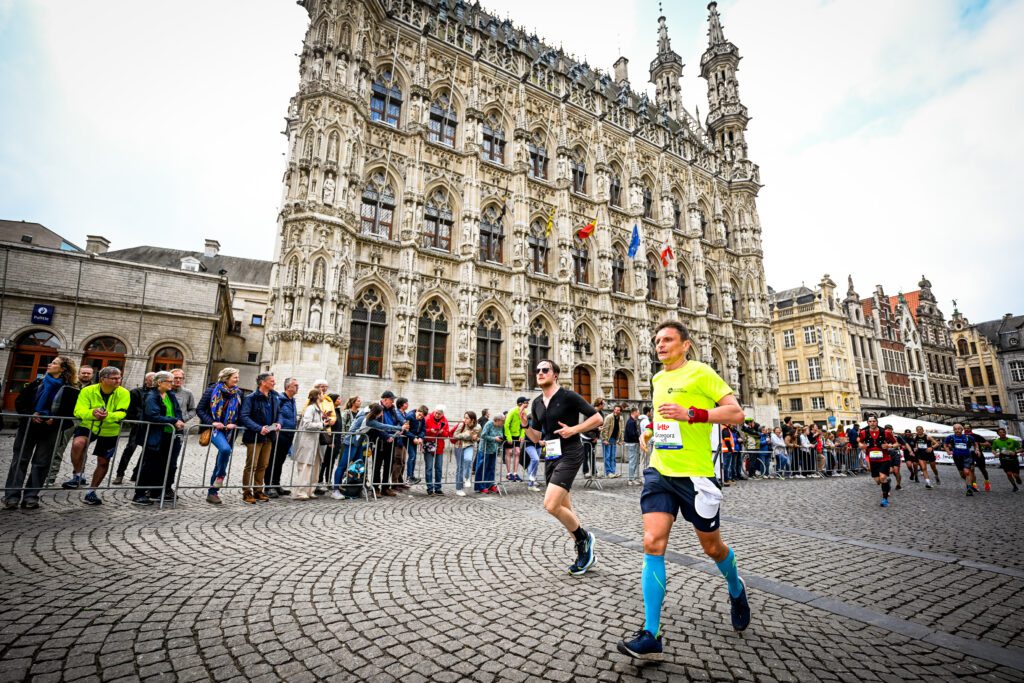
The Leuven Marathon is a brand-new challenge on the Belgian running calendar. With elevation changes, varied surroundings and the possibility of warmer spring conditions, this course demands more than just fitness. In this blog, you’ll discover where the real pitfalls lie and how to approach them with a smart race strategy.

Sofico Ghent Marathon: why this spring classic demands more
For many runners, the Ghent Marathon is the first major race of the spring. What looks like a flat course on paper demands more adaptability in reality. In this blog, you’ll discover the key challenges of the course and get practical tips on how to approach them smartly.

Testimonial Margo
Running a marathon doesn’t start at the start line, it starts with a smart, well-structured plan. In this testimonial, Margo shares how personalised coaching, effort testing and long-term guidance from Golazo Energy helped her complete her first marathon in her home city of Leuven, injury-free and full of confidence.

Finding the right pace for your cycling event
Taking on a gran fondo, an iconic mountain pass or a cobbled classic? Smart pacing is the secret to riding with confidence and crossing the finish line stronger. Former pro cyclist and coach Bart De Clercq shares expert tips on pacing, fuelling and course strategy.


The irresistible pull of ultra-processed foods
They’re everywhere, bright packaging, tempting flavours and perfectly portioned. Ultra-processed foods have become part of daily life, and let’s be honest: they’re hard to resist. But why is that? And what do these foods actually do to your body, your energy and your performance?



How to determine your workout intensity
This article explains how to determine the right workout intensity based on your fitness goals. By understanding your heart rate zones and calculating your maximum heart rate, you can optimize your training for better performance. It offers practical advice on adjusting your intensity to improve endurance or target specific fitness improvements.
How many years and quality of life can be gained by becoming physically fitter?
Discover how improving your physical fitness can add years to your life and enhance its quality. Studies show that regular exercise can significantly extend life expectancy and reduce the risk of diseases. Find out the benefits of becoming more physically active and how small changes can have a big impact on your health and longevity.